A Gentle Yoga Flow for Digestion and a Calmer Gut
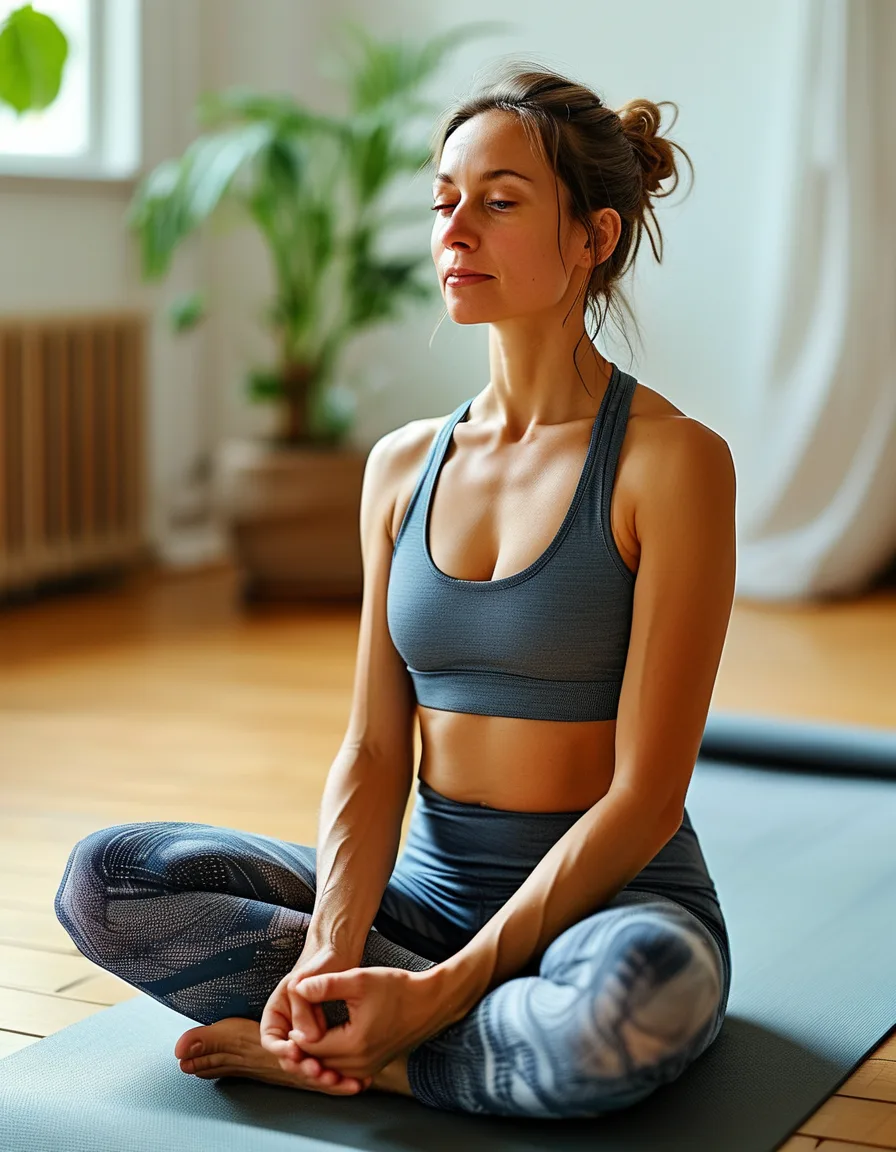
Quick Answer: Gentle yoga eases a bloated or sluggish gut because twists and folds gently massage the abdomen and encourage movement through the digestive tract, while slow breathing shifts your body into “rest and digest” mode. A short, breath-led flow — seated twists, cat-cow, knees-to-chest, a reclined twist, a gentle fold, and stillness — done a while after eating (not right after a big meal) is enough to notice a difference.
You’re lying on the couch after dinner, waistband a little too tight, wondering if a walk would help or if you should just accept defeat and unbutton your jeans. Sound familiar? You don’t need a 90-minute studio class to get relief — a handful of slow, well-chosen poses can do a surprising amount of work on a cranky gut.
Why Does Yoga Actually Help with Bloating and Digestion?
A few things are happening at once when you move through a gentle flow. Twists and folds physically massage the abdomen, nudging gas and trapped air along and encouraging movement through the digestive tract — think of it as an internal massage rather than a workout.
At the same time, slow breathing shifts your nervous system into “rest and digest” mode, the parasympathetic state where digestion actually works best. That matters more than it sounds: when you’re stressed, your body prioritizes other things over digestion, which is part of why anxious weeks so often come with a grumpier gut.
Certain poses are especially good at releasing trapped gas and easing that tight, bloated feeling. And because stress and gut discomfort feed each other, calming the nervous system through breath can quiet the mind and the belly at the same time.
One important note: this is about gentle movement, not intense exercise. A hard workout right after eating can actually work against digestion — light, breath-led movement is the whole point here.
What’s a Simple Yoga Flow for a Bloated Stomach?
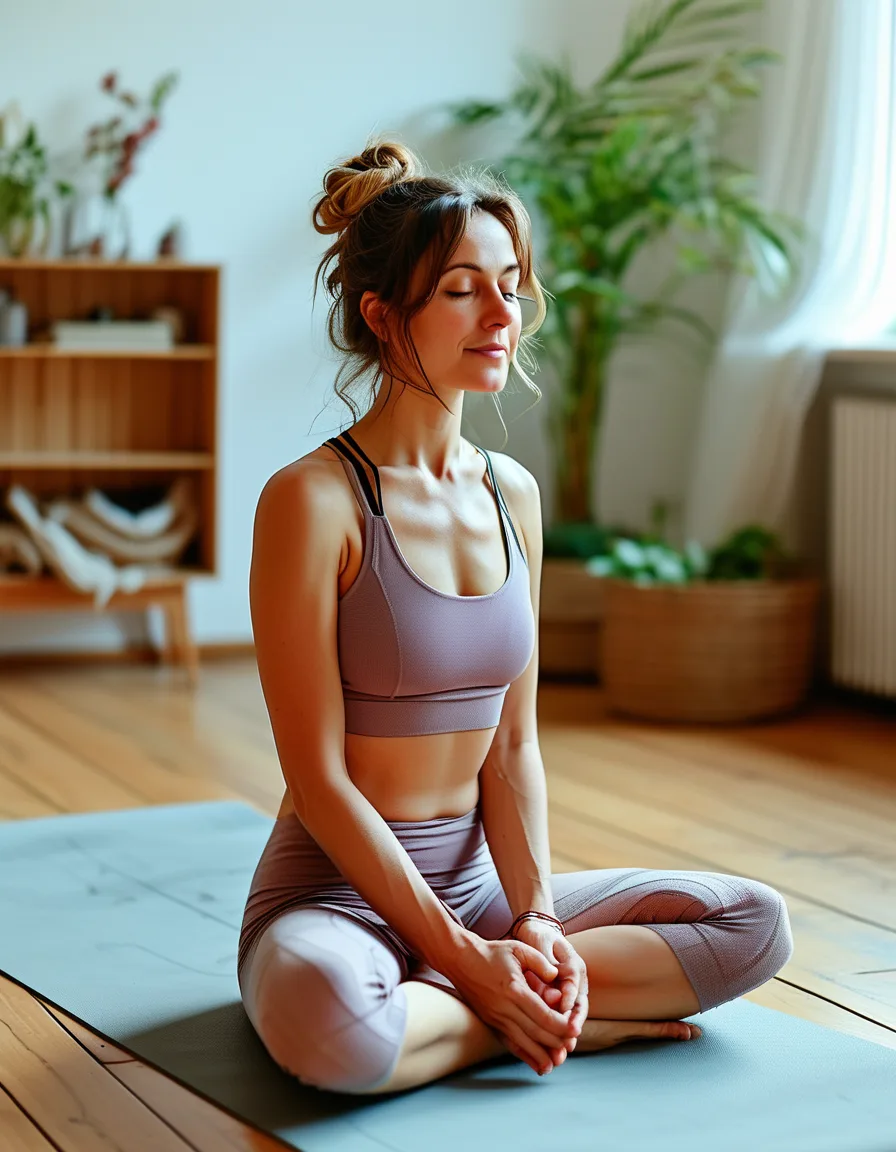
Here’s a full sequence you can do in about 10-15 minutes, start to finish:
- Seated centering — sit comfortably and take 5-8 slow belly breaths to arrive and settle before you move.
- Gentle seated twists — twist easily side to side, holding each side for 3-4 breaths, to wring out the middle of your torso.
- Cat-cow — flow between arching and rounding your spine for 8-10 rounds to warm up and mobilize the whole torso.
- Knees-to-chest — hug both knees in toward your chest and hold for 30-60 seconds to relieve gas and pressure.
- Supine twist — from lying down, drop both knees to one side, then the other, holding each side for 5-6 breaths, to release the lower back and abdomen.
- Gentle forward fold — a soft seated or standing fold, held for 30 seconds, lightly compresses the belly.
- Final rest — lie quietly for 2-3 minutes, breathing slowly, to let everything settle.
Move slowly and let your breath set the pace throughout — there’s no rush here, and no pose should ever feel forced.
When’s the Best Time to Practice This Flow?
Timing matters more than people expect. Wait a bit after eating before you practice, especially before twists and folds — give food time to settle first, roughly 30-60 minutes after a lighter meal and longer after a big one.
Keep everything gentle, never forceful. Easy ranges of motion are the goal; forcing a deeper twist or fold won’t get you more relief, it’ll just add strain. Let your breathing stay steady throughout — the calming effect comes from the breath as much as the movement.
Listen to your gut, literally. If anything increases discomfort, ease off or skip it. And for lasting benefit, consistency beats intensity — a short, regular practice does more for digestion over time than one long occasional session. Pair it with the basics that already support gut health: staying hydrated, eating enough fiber, and walking regularly.
If you’re dealing with persistent bloating, pain, or digestive changes that don’t improve with movement and time, that’s worth a conversation with a doctor rather than something to yoga your way through indefinitely.
Mistakes Everyone Makes with Digestion Yoga
- Practicing right after a big meal. Twisting and folding on a full stomach usually makes you feel worse, not better — wait it out first.
- Forcing the twist. Deeper isn’t better here. A relaxed, breath-led twist does more than a strained one.
- Holding your breath. It’s easy to do without noticing, especially during folds — and it cancels out the calming effect you’re going for.
- Treating it as a one-time fix. A single session on a bad day helps a little; a regular gentle habit helps a lot more. (The third mistake is the one even experienced yogis catch themselves doing.)
Mini FAQ
Can yoga really help with bloating?
Yes, for many people — gentle twists and folds help move gas and trapped air along the digestive tract, and slow breathing supports the nervous system state where digestion works best. It’s not a cure for underlying digestive conditions, but it’s a genuinely useful tool for everyday bloating.
How soon after eating can I do this flow?
Give it at least 30-60 minutes after a light meal, and longer after a large one. Twists and folds on a full stomach tend to feel uncomfortable rather than relieving.
Do I need to be flexible to try this?
Not at all. Every pose in this flow can be done in a small, comfortable range of motion — the benefit comes from gentle movement and steady breathing, not from how deep the twist or fold looks.
TL;DR
- Gentle twists and folds massage the abdomen and help move things along; slow breathing shifts you into “rest and digest” mode.
- The flow: seated breaths, gentle twists, cat-cow, knees-to-chest, a supine twist, a soft fold, and final rest — about 10-15 minutes total.
- Wait 30-60+ minutes after eating before practicing, especially before twists and folds.
- Keep it gentle, breathe steadily, and ease off anything that increases discomfort.
- Consistency matters more than intensity — pair it with hydration, fiber, and regular walking.
- See a doctor for persistent or severe digestive symptoms rather than relying on yoga alone.
See It in Motion
Seen here: Crewneck Short Sleeve Workout T-Shirt — shop it on bubblelime.com
Keep Reading
This article is for general informational purposes only and is not medical advice. It is not a substitute for professional diagnosis or treatment. Always consult a qualified healthcare provider about your individual situation, especially before making significant changes to your diet or exercise routine.