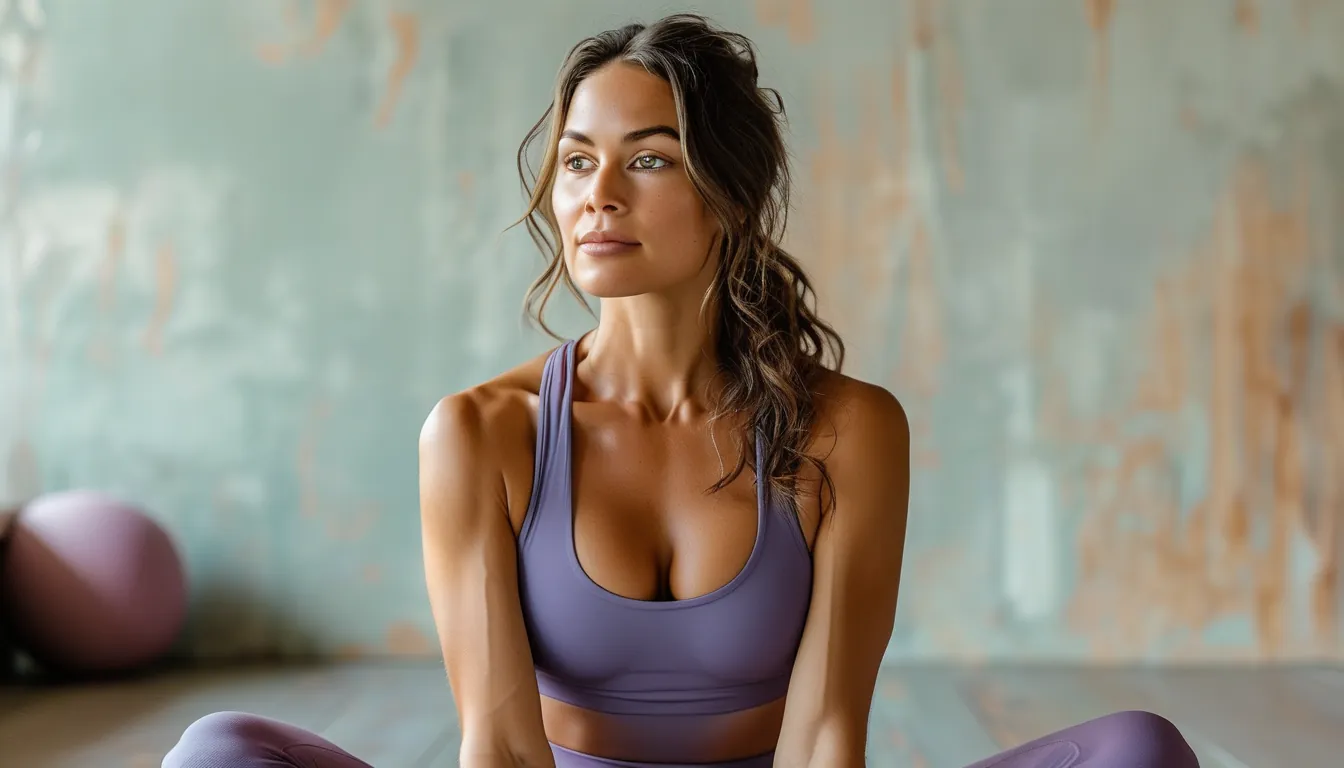
Why the Same Yoga Flow Feels Completely Different Every Day
Quick Answer: A day-to-day shift in how the same sequence feels usually reflects real physiological variation — sleep quality, hydration, stress hormones, and even where you are in your menstrual cycle all change how flexible and energized your body is on a given day, independent of your practice itself.
It’s tempting to read a harder-feeling practice as “falling off” or a looser one as “finally improving,” but day-to-day variation in the exact same sequence is normal physiology, not a verdict on your consistency.
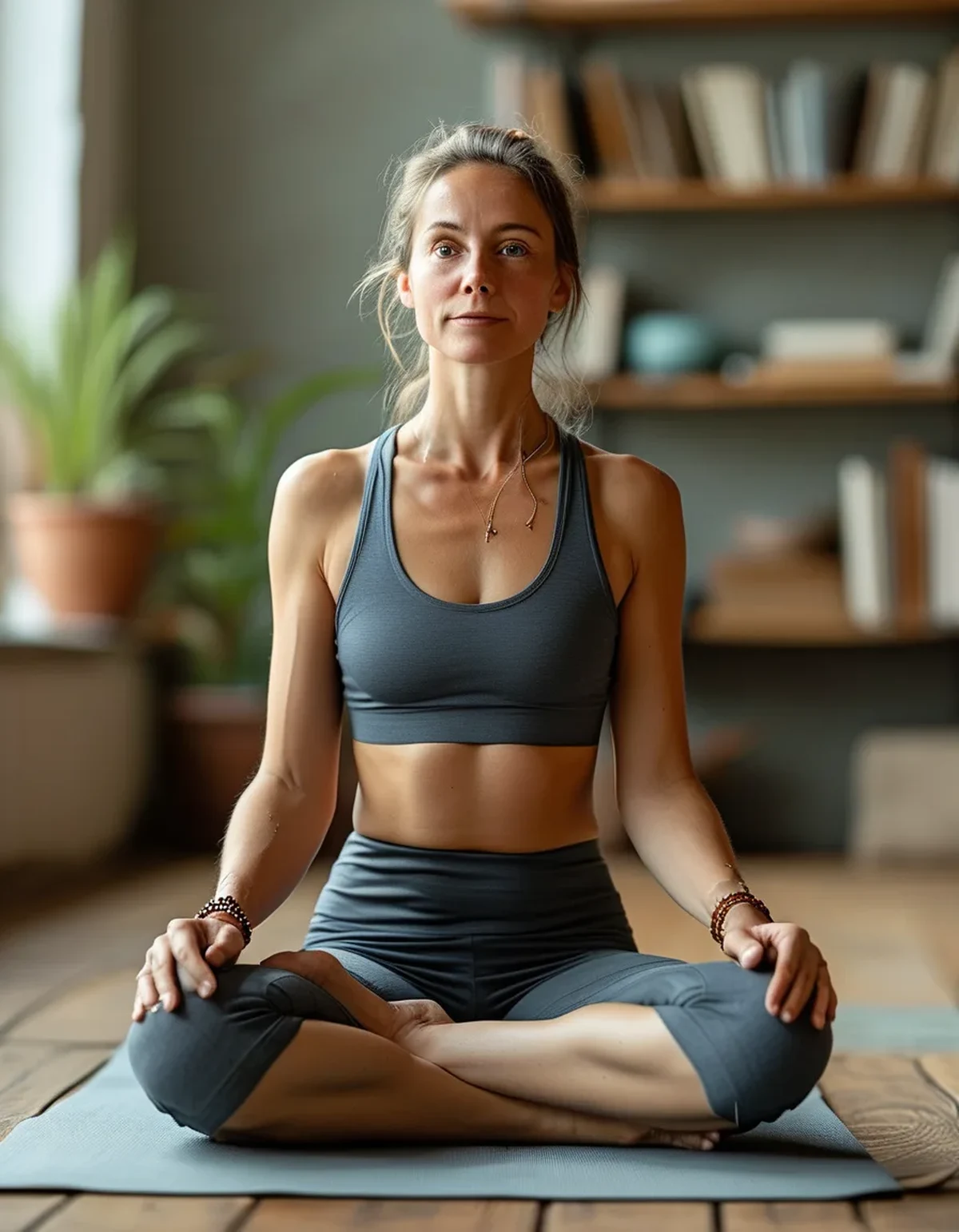
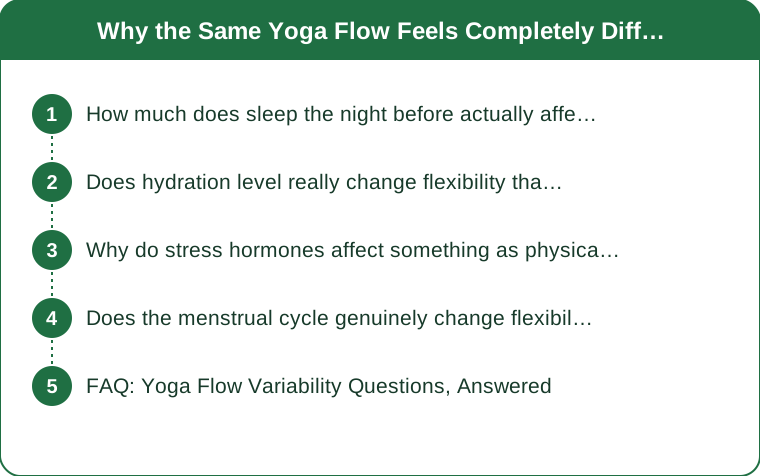
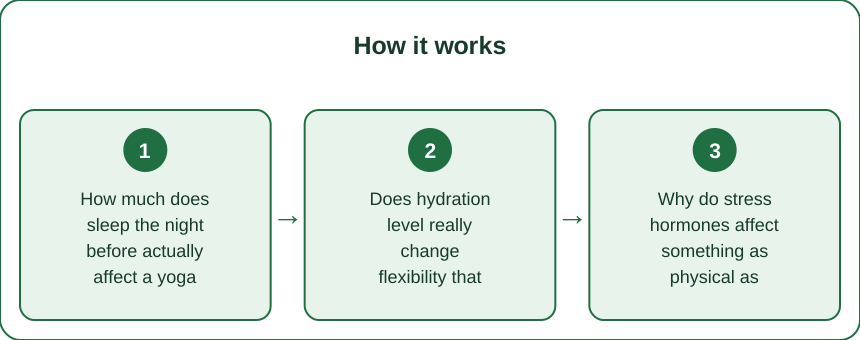
How much does sleep the night before actually affect a yoga practice?
Poor sleep measurably reduces balance, reaction time, and pain tolerance the next day, which shows up directly in a flow practice as wobblier balancing poses and stretches that feel tighter than they “should” — this is a well-documented physiological effect, not a motivation problem, and it typically resolves once sleep normalizes.
Does hydration level really change flexibility that much day to day?
Muscle and connective tissue function measurably better when adequately hydrated — mild dehydration is associated with reduced tissue elasticity, which can make the same stretch feel noticeably tighter, particularly noticeable in longer-held poses where the tissue has time to reveal that tightness.
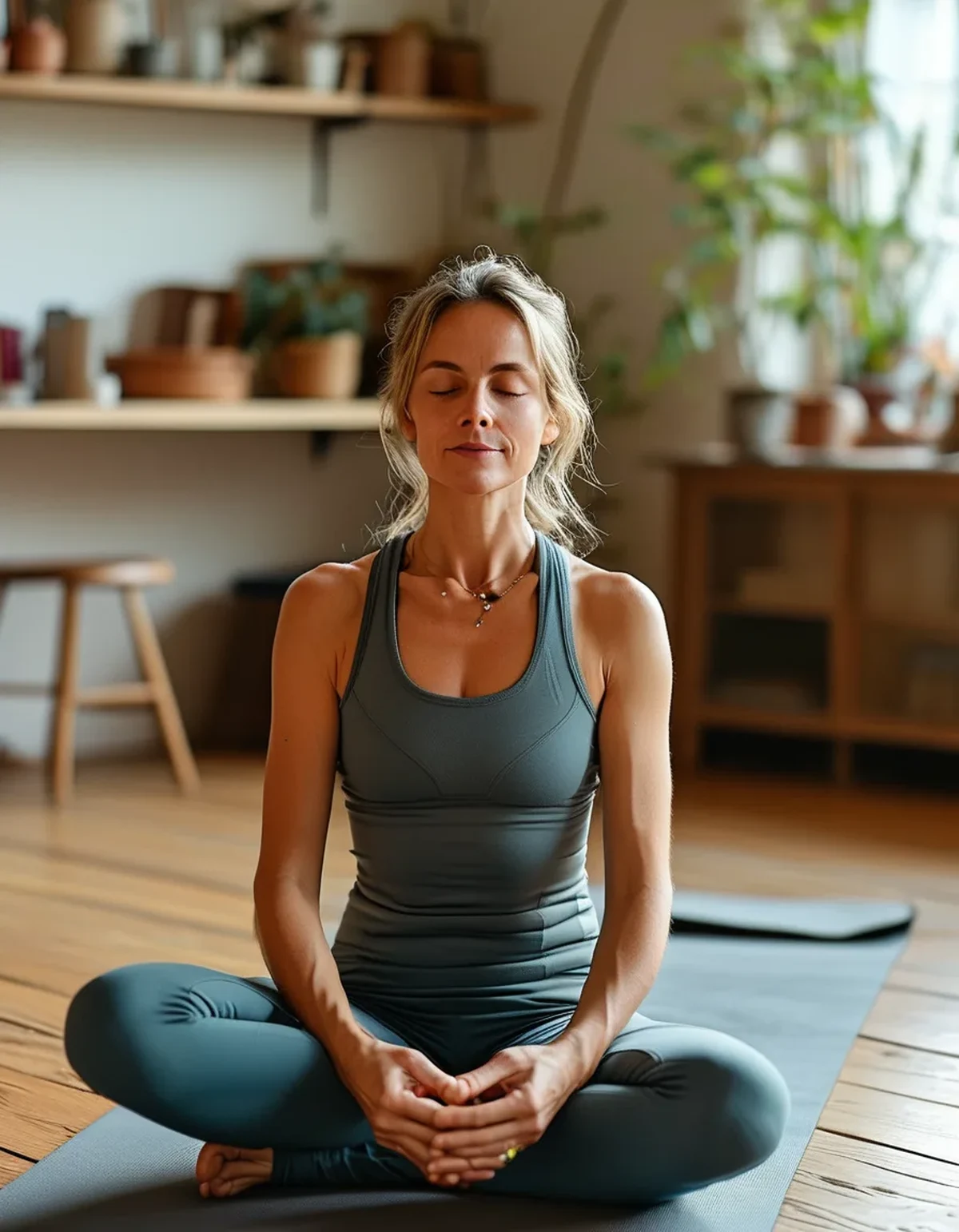
Why do stress hormones affect something as physical as flexibility?
Elevated cortisol from stress keeps the nervous system in a state that increases baseline muscle tension, since the body is primed for a fight-or-flight response rather than the relaxed state that deep stretching requires — this is why a stressful week often correlates with a tighter-feeling practice even with identical sleep and hydration.
Does the menstrual cycle genuinely change flexibility and energy for a flow practice?
Relaxin and estrogen fluctuations across the cycle are associated with real changes in joint laxity and energy — many practitioners notice more available range of motion in the days leading up to ovulation and a tighter, lower-energy practice in the days before a period, which lines up with known hormonal patterns rather than being purely subjective.
FAQ: Yoga Flow Variability Questions, Answered
Should I modify my practice based on how I feel that day, or push through the same sequence?
Modifying (shorter holds, gentler variations on a tight day) generally serves the body better than forcing the same depth regardless of how it feels — yoga’s benefit comes from consistent practice, not from hitting an identical range of motion every single day.
Is it a bad sign if flexibility seems to regress some days compared to a week ago?
No — day-to-day fluctuation around a slowly improving trend is completely normal; the trend over weeks and months is what reflects actual progress, not any single day’s practice.
Does practicing at the same time each day reduce this variability?
Somewhat — body temperature and joint fluidity naturally vary across the day (generally looser later in the day), so a consistent practice time removes one variable, though sleep, hydration, stress, and cycle effects still apply regardless of timing.
TL;DR:
- Sleep, hydration, stress, and hormonal cycle all genuinely change how the same flow feels
- A tighter or wobblier day is physiology, not a lapse in practice
- Modifying to how you feel that day serves the body better than forcing identical depth
- Trend over weeks matters far more than any single day’s experience
The variability isn’t a flaw in your practice — it’s your body giving an honest daily readout.
See It in Motion
Seen here: High Waist Bootcut Yoga Pants with Hidden Pocket — shop it on bubblelime.com
Keep Reading
This article is for general informational purposes only and is not medical advice. It is not a substitute for professional diagnosis or treatment. Always consult a qualified healthcare provider about your individual situation, especially before making significant changes to your diet or exercise routine.