Yoga for Beginners: 7-Day Starter Program
Quick Answer: A 7-day beginner yoga program works best when it starts with breathing and centering on Day 1, introduces foundational standing poses like Mountain Pose, Warrior I, and Downward-Facing Dog on Day 2, then builds progressively through Days 3-7 with new poses and deeper stretches layered onto what you’ve already learned.
Your mat is still in its packaging in the corner. You’ve watched approximately forty “yoga for beginners” videos without doing a single pose. None of that matters starting today — this plan breaks the whole thing down into seven manageable days.
Do you need any experience to start a 7-day yoga program?
None at all — that’s really the entire point of a structured beginner program. Beginning a yoga practice can feel overwhelming when you’re staring down an entire tradition of poses, sequences, and terminology, but breaking it into daily, bite-sized sessions removes almost all of that pressure.
Each day builds on skills from the day before, so you’re never thrown into something your body hasn’t been gradually prepared for. Think of the first two days as laying the foundation everything else gets built on.
What happens on Day 1?
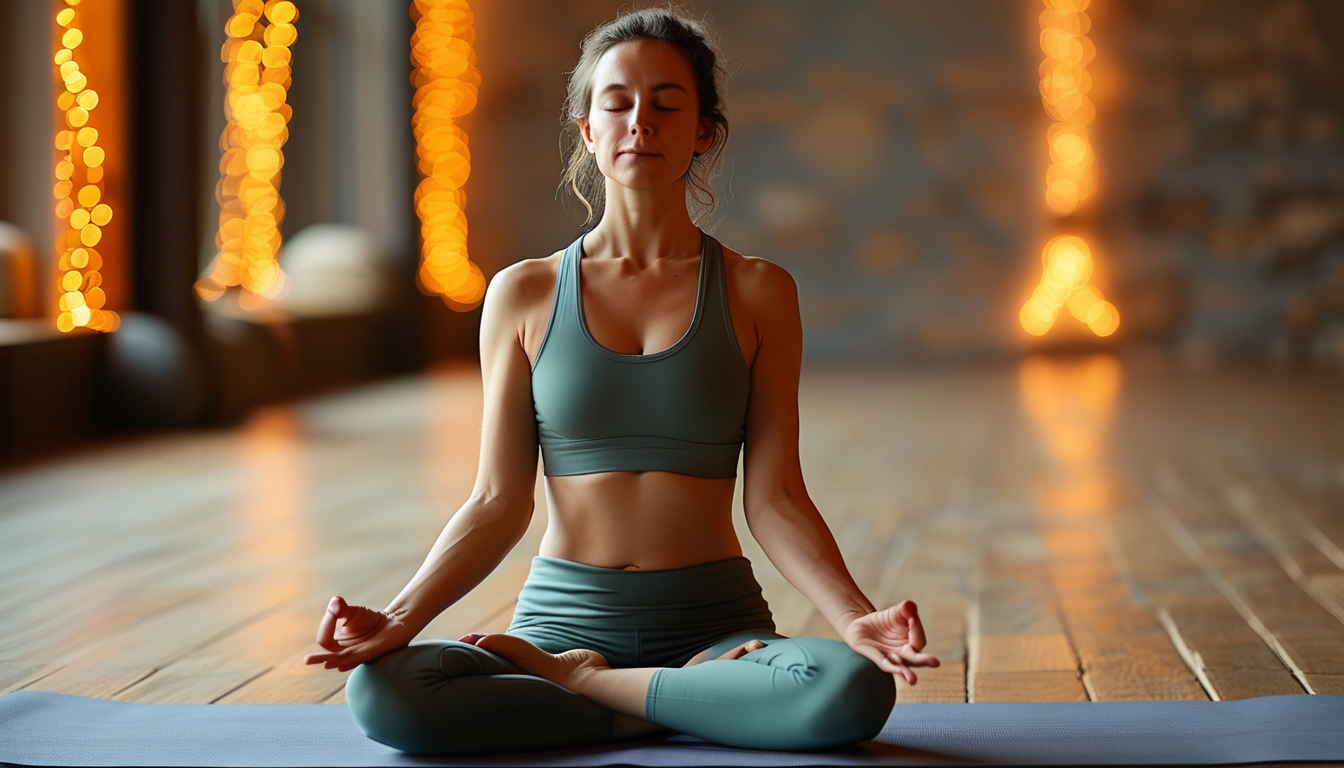
Day 1 starts with pranayama (breathing exercises) and basic meditation — no poses yet. That might feel anticlimactic if you were expecting to jump straight into stretching, but breath control is the actual foundation of every yoga pose that follows, not just a warm-up formality.
Spend this day simply getting comfortable sitting still, noticing your natural breath, and practicing a few slow, controlled breathing patterns. Five to ten minutes of focused breathing is plenty for day one — there’s no need to rush toward the physical poses.
What poses do you learn on Day 2?
Day 2 shifts focus to standing poses, specifically Mountain Pose, Warrior I, and Downward-Facing Dog. These three show up constantly throughout yoga practice, so mastering their basic alignment early pays off in every session after this one.
- Mountain Pose teaches you proper standing posture and weight distribution through your feet
- Warrior I builds leg strength while opening your hips and chest
- Downward-Facing Dog stretches your hamstrings, calves, and shoulders all at once
Hold each pose for a handful of breaths rather than rushing through them — the goal on Day 2 is understanding the shape, not achieving a perfect version of it.
How does the program progress from Day 3 to Day 7?
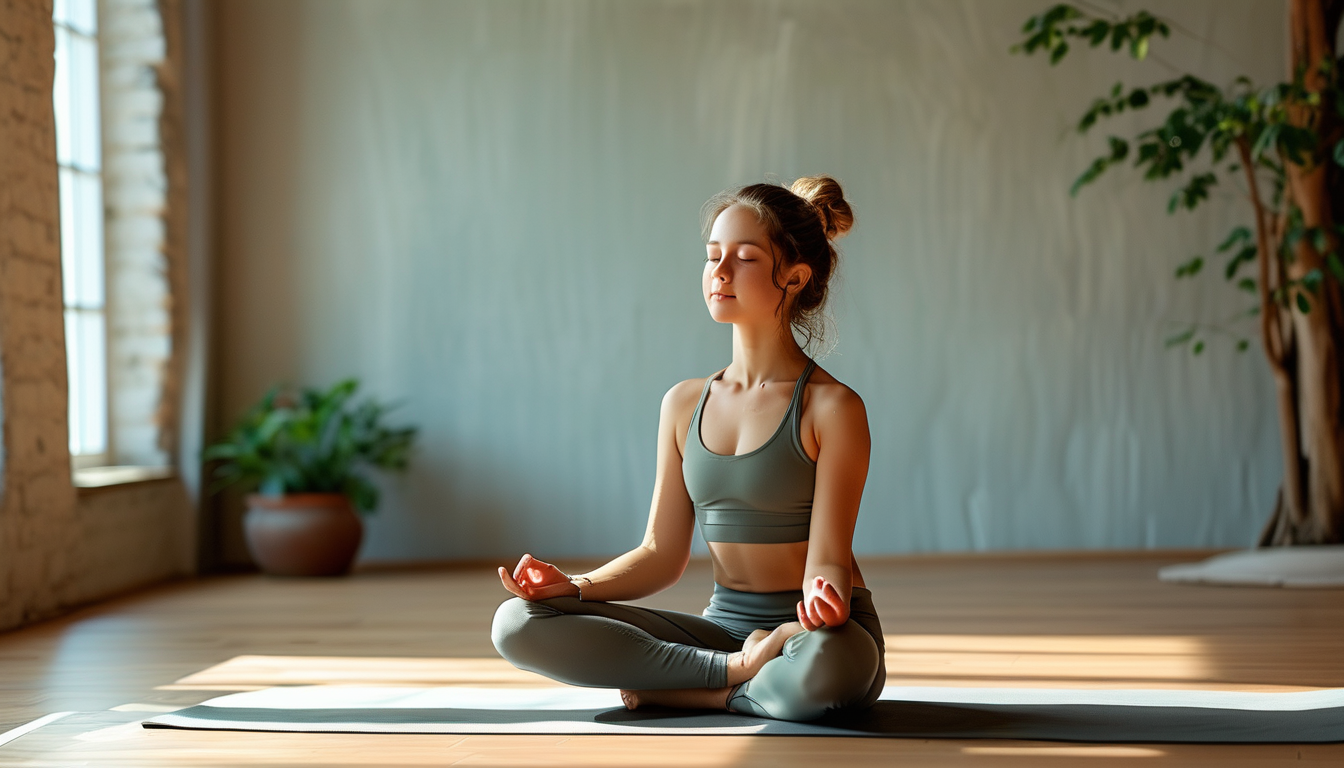
Each day builds on the previous, introducing new poses and deeper stretches as your body and confidence gradually catch up. The progression is intentionally gradual rather than steep, layering in seated poses, gentle twists, and balance work as the week continues.
By the later days, you’ll likely notice poses from Day 2 already feel more familiar and stable, which is exactly the point — repetition with small additions each day, rather than a completely new challenge every session.
How long should each session be, and what if you miss a day?
A beginner session doesn’t need to be long — even 15-20 minutes of focused practice is enough to make progress across a 7-day arc. If you miss a day, simply pick back up where you left off rather than starting over; consistency over the full week matters more than a perfect unbroken streak.
If you’re managing an injury, chronic pain, or a condition affecting balance or flexibility, it’s worth checking with a doctor or a qualified yoga instructor before starting, and always listening to your body over any fixed plan. A pose that hurts (versus gently stretches) is a sign to back off, not push through.
See It in Motion
Seen here: High Waist Bootcut Yoga Pants — shop it on bubblelime.com
Myth vs Fact: Beginner Yoga
Myth: You need to be flexible before you start yoga. Fact: Flexibility is a result of consistent practice, not a prerequisite for starting one — everyone begins somewhere, and Day 1’s breathing focus doesn’t require any flexibility at all.
Myth: A real yoga practice has to be an hour long. Fact: Even 15-20 minutes of focused, consistent practice builds real skill and body awareness over a week, especially for beginners still learning foundational poses.
Myth: Missing a day ruins the whole program. Fact: Picking back up where you left off works just fine — consistency across the week matters far more than a perfect, unbroken streak.
FAQ: Beginner Yoga
How many days a week should a beginner practice yoga?
Following a 7-day starter program daily is a great way to build habit and momentum right at the start. After that first week, three to five sessions a week is a sustainable pace for continuing to build skill and flexibility.
What do you actually need to start yoga at home?
Just a mat and comfortable clothing you can move freely in — no special equipment is required for a beginner program like this one. A quiet space where you can focus on your breathing and movement matters more than any gear.
Is it normal to feel wobbly or unstable in beginner poses?
Yes, completely normal — balance and stability in poses like Warrior I improve gradually with repeated practice. Using a wall for light support in early sessions is a smart modification, not a sign you’re doing it wrong.
TL;DR:
- A 7-day beginner program starts with breathing and centering before introducing any poses.
- Day 2’s foundational poses — Mountain Pose, Warrior I, Downward-Facing Dog — recur throughout the rest of the week.
- Days 3-7 build gradually, layering new poses and deeper stretches onto earlier ones.
- Sessions can be as short as 15-20 minutes; consistency matters more than duration or a perfect streak.
- Check with a doctor or instructor first if you’re managing an injury, and always listen to your body over the plan.
Keep Reading
This article is for general informational purposes only and is not medical advice. It is not a substitute for professional diagnosis or treatment. Always consult a qualified healthcare provider about your individual situation, especially before making significant changes to your diet or exercise routine.