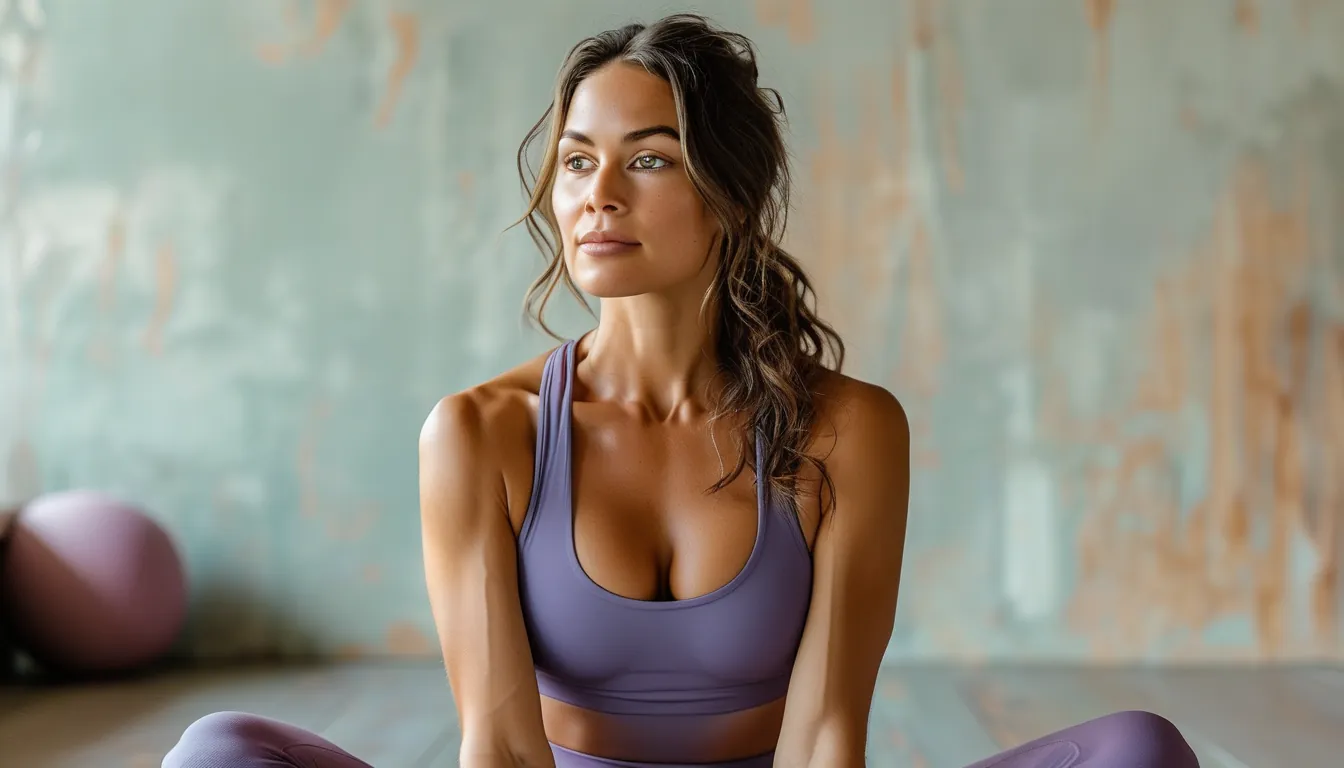
The Yoga Block Height Mistake That's Quietly Wrecking Your Poses
Quick Answer: Most people default to the tallest block setting out of habit, but the correct height depends entirely on the pose — too tall and you lose the stretch you were reaching for, too short and you compromise your alignment trying to reach it. The fix is picking height based on what the pose needs, not what’s fastest to grab.
If you’ve ever felt like your block was somehow making a pose harder instead of easier, the height was probably the problem, not your flexibility.
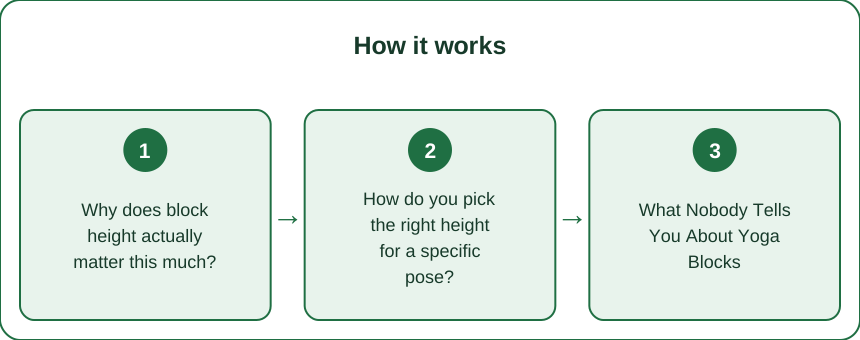
Why does block height actually matter this much?
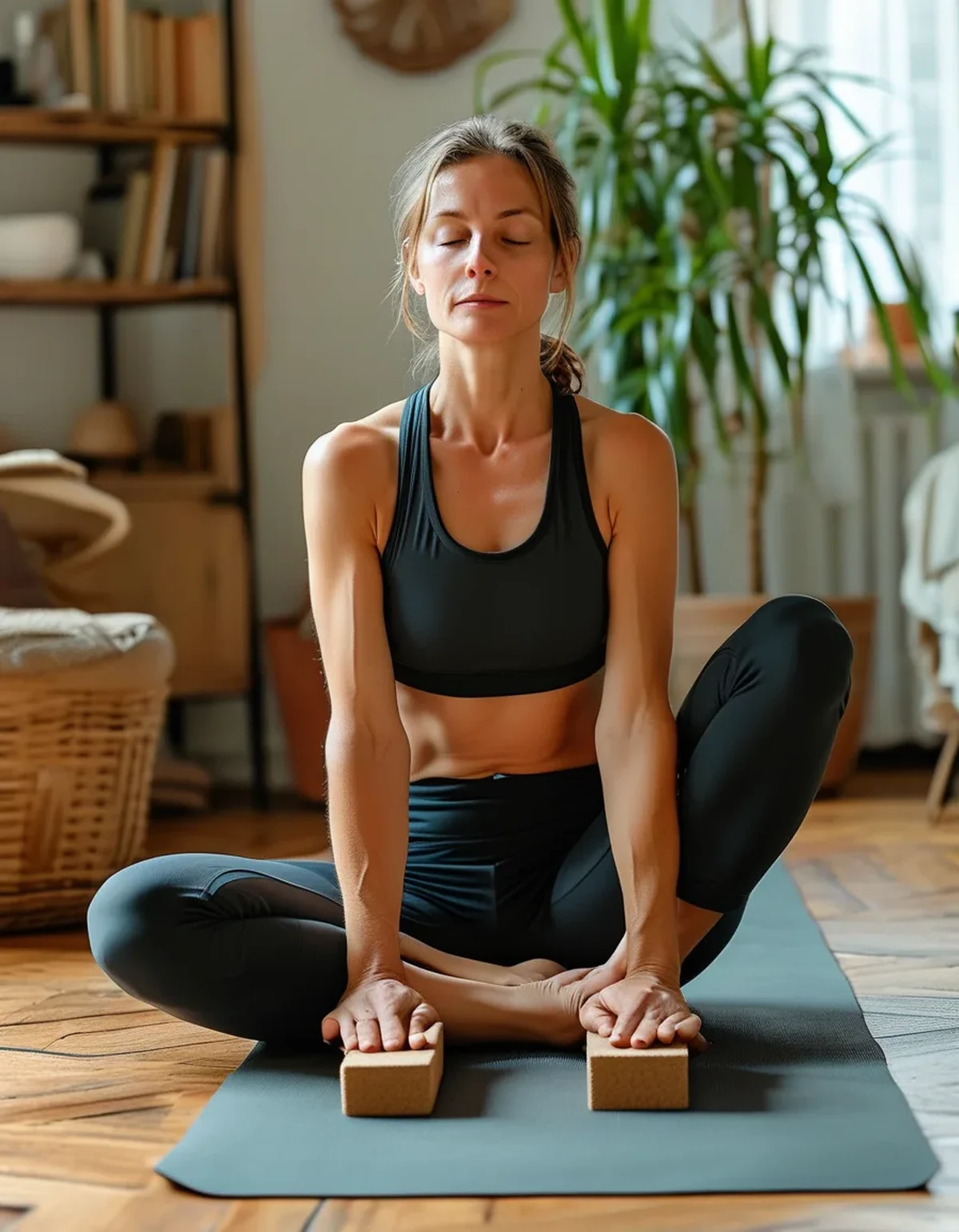
A block under your hand in a supported twist needs to be tall enough that your spine stays long, while a block under your hip in pigeon pose needs to be low enough that your hips can actually relax into it rather than tensing to avoid rolling off. The same block, used at the wrong height, can pull you out of alignment in exactly the way it was meant to prevent.
Most blocks have three height settings (roughly 3, 4, and 6 inches) — the mistake is using the same one for every pose out of habit.
How do you pick the right height for a specific pose?
For supported forward folds and twists, start tall and lower the block only if you can fold further without rounding your back. For hip openers like pigeon or supported bridge, start low — the goal is your hips resting fully, not hovering.
A simple rule: if you’re reaching or straining to touch the block, it’s too low; if you’re collapsing or sinking past it without support, it’s too tall.
What Nobody Tells You About Yoga Blocks
Nobody tells you that the densest foam blocks (not the softest ones) actually give your joints more consistent support, since soft foam compresses unevenly under weight. Nobody tells you that cork blocks grip better on sweaty hands but are heavier to hold in balance poses. And nobody mentions that using two blocks at different heights in the same pose — one under each hand, say — is completely normal and often more useful than matching heights.
Do you actually need blocks if you’re already flexible?
Yes, arguably more than beginners in some cases — blocks in advanced practice are used to deepen and stabilize a pose, not just make it accessible. A flexible practitioner using a block in half-moon pose, for example, gets a steadier balance point to work on alignment rather than just reaching the floor.
The habit of associating blocks only with beginners is exactly why so many people default to the wrong height — they’re not thinking about what the pose specifically needs.
FAQ: Yoga Block Questions, Answered
What’s the actual difference between foam and cork blocks?
Foam blocks are lighter and cheaper but compress more under sustained weight; cork blocks are heavier, grippier when sweaty, and hold their shape longer, which matters most in weight-bearing poses like supported handstand prep.
Is it wrong to always use the tallest setting?
It’s not wrong, but it usually means you’re not adjusting to what each pose needs — tall is right for some poses and actively counterproductive for others like pigeon or supported bridge.
How many blocks does a home practice actually need?
Two is enough for the vast majority of home flows — most sequences that call for blocks use one per hand or one under a hip, rarely more than two at once.
TL;DR:
- Block height should match what each specific pose needs, not default to your usual setting
- Tall blocks support forward folds and twists; low blocks support hip openers like pigeon
- Straining to reach means too low, collapsing past it means too tall
- Two blocks (foam or cork) cover nearly every home practice need
A five-second height check before each pose changes more than most people expect.
See It in Motion
Seen here: Racerback Tank Top - White — shop it on bubblelime.com
Keep Reading
This article is for general informational purposes only and is not medical advice. It is not a substitute for professional diagnosis or treatment. Always consult a qualified healthcare provider about your individual situation, especially before making significant changes to your diet or exercise routine.