Why Counting Your Breath in Yoga Changes the Whole Flow
Quick Answer: Counting your breath (rather than watching the clock) paces a yoga flow to your actual nervous system state that day, which is why the same sequence can feel completely different depending on whether you move on a 4-count or an 8-count breath.
Most beginners pace yoga by instinct or by watching a teacher — but breath counting is the actual mechanism experienced practitioners use to control intensity without changing a single pose.
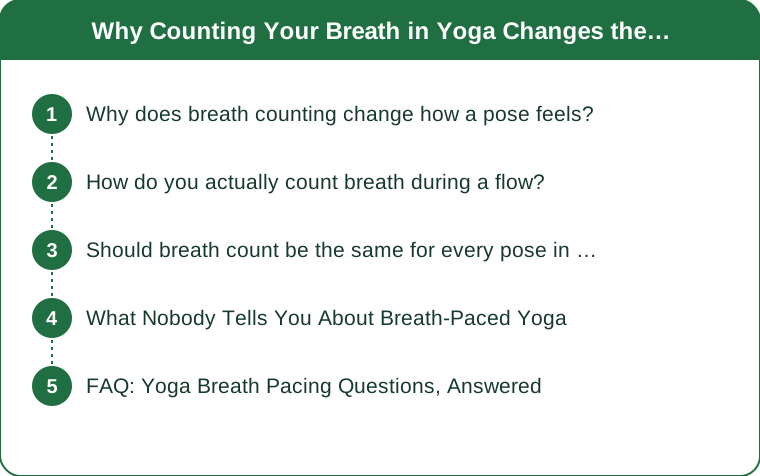
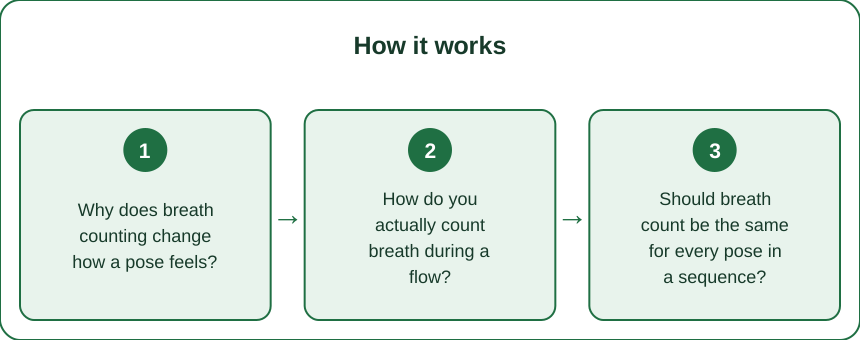
Why does breath counting change how a pose feels?
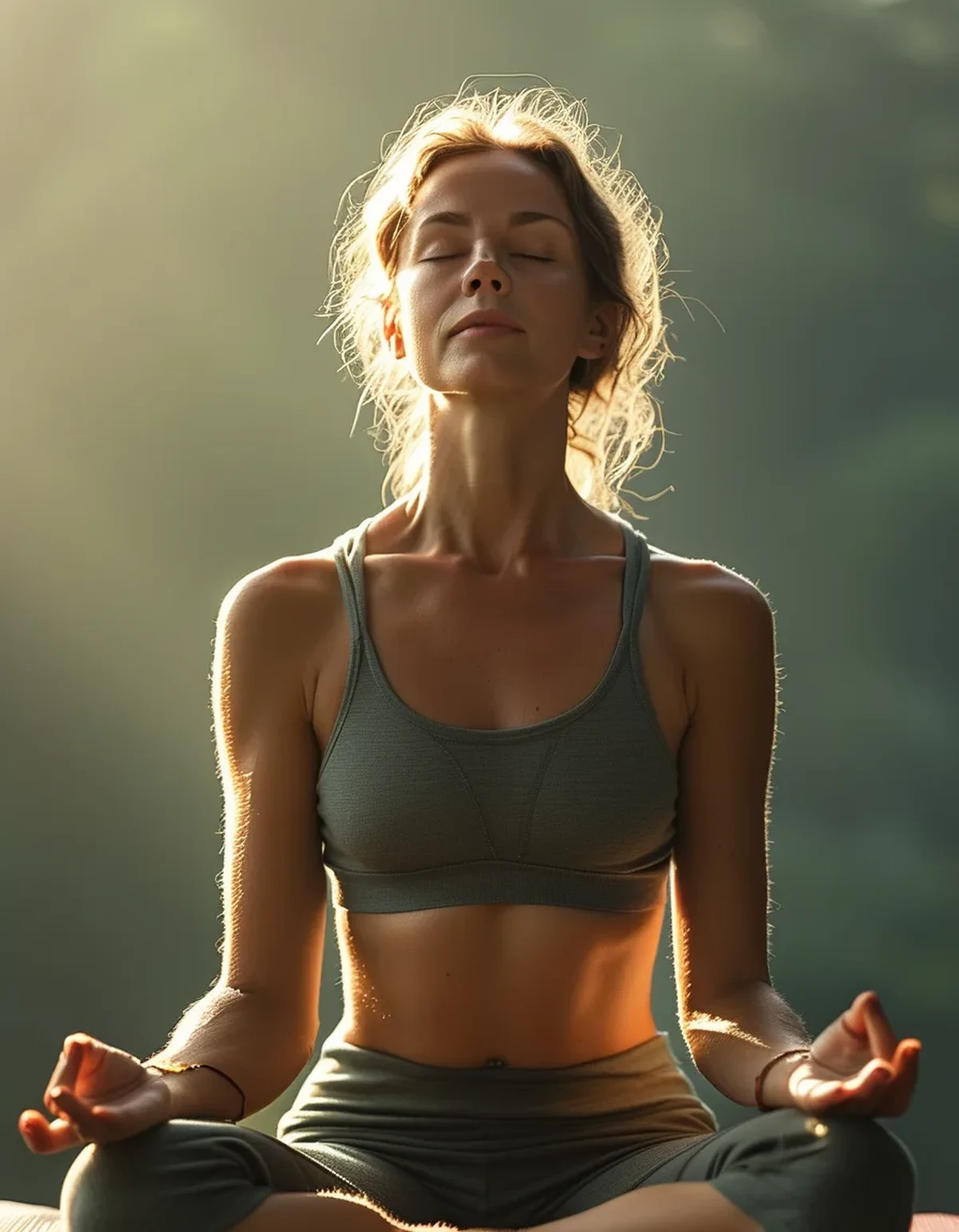
A longer breath count (like a 6-8 count inhale and exhale) slows the nervous system down and increases time under tension in a hold, making the same pose feel more demanding without changing its shape. A shorter count (3-4) keeps the flow moving and feels more energizing than restorative.
How do you actually count breath during a flow?
Count the inhale and exhale separately, aiming for roughly equal length — for example, a 4-count inhale through the nose, a brief pause, then a 4-count exhale. Match the transition between poses to the exhale specifically, since exhaling naturally cues the body to release tension and move deeper into a stretch.
Should breath count be the same for every pose in a sequence?
No — this is where most people pace incorrectly. Standing, active poses (like Warrior sequences) generally pair well with a shorter, more energizing count, while seated or restorative poses (forward folds, twists) benefit from a longer, slower count that gives connective tissue time to actually release.
What Nobody Tells You About Breath-Paced Yoga
Here’s what most beginner classes skip: the breath count is the actual training variable, not the pose. Two people doing the identical Warrior II can be doing meaningfully different workouts — one on a fast 3-count that keeps heart rate elevated, another on a slow 7-count that builds isometric strength and calm. Neither is wrong; they’re just different tools.
FAQ: Yoga Breath Pacing Questions, Answered
Is it normal to lose count partway through a flow?
Yes, especially early on — losing count usually just means attention drifted, which is common and not a sign you’re doing it wrong; gently return to counting when you notice.
Does breath counting work for people who find yoga breathing exercises stressful?
If breath-focused practice feels stressful rather than calming, a shorter, more natural count (or skipping counting altogether and just moving with natural breath) is a reasonable alternative — this is general guidance, not medical advice.
Can breath counting help with a flow that always feels too fast?
Yes — deliberately extending your exhale count by one or two beats is one of the simplest ways to slow down a flow that otherwise feels rushed, without changing any poses.
TL;DR:
- Breath count, not the clock, is what actually paces a yoga flow’s intensity
- Longer counts build strength and calm; shorter counts energize and keep pace moving
- Match count to pose type — standing poses shorter, restorative poses longer
- Losing count is normal; gently return to it rather than starting over
Next time a flow feels off, check your breath count before you blame the sequence — it’s often the real variable.
See It in Motion
Seen here: High Waist Printed Bootcut Yoga Pants with Pockets — shop it on bubblelime.com
Keep Reading
This article is for general informational purposes only and is not medical advice. It is not a substitute for professional diagnosis or treatment. Always consult a qualified healthcare provider about your individual situation, especially before making significant changes to your diet or exercise routine.