The 12-Minute Flow for a Body That Just Spent Five Hours in a Car
Quick Answer: Prioritize hip flexors, thoracic spine rotation and hamstrings, in that order. A driving position holds the hips in flexion, the upper back in a fixed forward curve, and the pelvis in a posterior tilt for hours - which is why the lower back hurts even though the lower back was not doing anything. Twelve minutes covering those three areas resolves most of it.
The part that surprises people: stretching the lower back directly is usually the least effective thing you can do for post-drive back stiffness.

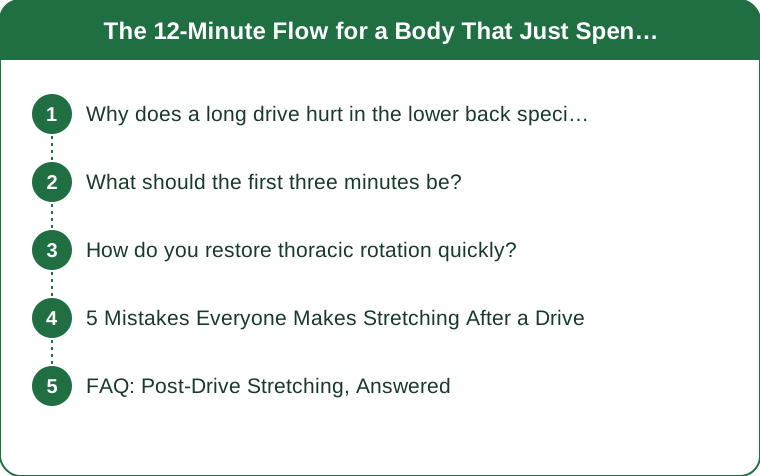
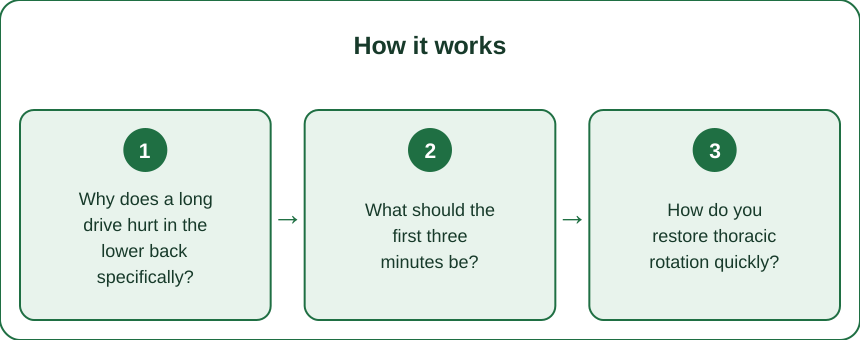
Why does a long drive hurt in the lower back specifically?
Because the lower back is compensating for two structures that were locked in place.
What the driving position does:
- Hips held at roughly 90 degrees or less for hours, which keeps the hip flexors shortened. The psoas in particular attaches to the lumbar spine, so a shortened psoas pulls directly on the lower back
- Pelvis tilted posteriorly by most car seats, which flattens the natural lumbar curve and loads the discs differently
- Thoracic spine fixed in slight flexion with no rotation available, because the seat back and belt restrict it
- Constant low-level vibration, which research has associated with increased spinal loading and fatigue over long durations
Why the lower back is the symptom rather than the cause. The lumbar spine sits between a locked pelvis below and a locked thoracic spine above. When neither neighbor can move, the lumbar spine absorbs whatever movement is demanded - and it is not built to be the primary mover.
Which explains the counterintuitive advice. Stretching the lower back feels good briefly and does not address the hip flexors or the thoracic spine that caused the problem. Restoring movement above and below is what actually resolves it, and the relief lasts.
The second cluster of symptoms: stiff neck and upper back from sustained forward head position, and tight hamstrings from prolonged sitting with the knee bent. Both respond quickly.
One thing worth knowing about timing. Stiffness after driving often peaks 30 to 60 minutes after stopping rather than immediately. Moving within the first ten minutes of arriving prevents most of it - which is why the roadside stretch at a service station is worth more than the full session at home.
What should the first three minutes be?
Hip flexors, and nothing else, because they are the highest-value target.
Low lunge, 90 seconds each side.
- Step one foot forward, lower the back knee to the mat or a folded towel
- Tuck the pelvis under slightly - this is the detail that decides whether you feel it in the hip flexor or in the lower back. Without the tuck you extend the lumbar spine instead of lengthening the hip flexor
- Keep the front knee stacked over the ankle
- Breathe slowly. Five to six long breaths per side
What you should feel: a stretch at the front of the back-leg hip and thigh. If you feel it in the lower back, you have not tucked the pelvis.
Two useful modifications:
- Standing version against the car, if you are at a service station and there is no mat. Hand on the car, one foot back, tuck the pelvis, same effect
- Add a gentle side bend away from the back leg to reach the fibers running up toward the ribs
Why 90 seconds rather than 30. Short holds change how a muscle feels; longer holds are better for changing how far it will go. For tissue that has been held short for hours, the longer hold does more. Ninety seconds per side is a reasonable compromise between effectiveness and the willingness to actually do it.
A common error: rushing to a deep lunge. Depth is not the goal - pelvic position is. A shallow lunge with a tucked pelvis outperforms a deep one with an arched back, every time.

How do you restore thoracic rotation quickly?
Two positions, and the effect is often immediate enough to be surprising.
Thread the needle, 60 seconds each side.
- From hands and knees, slide one arm under the opposite arm, lowering the shoulder and the side of the head toward the mat
- Let the top hip stay stacked rather than collapsing, which keeps the rotation in the thoracic spine rather than the lumbar
- Breathe into the upper back
Open book, 8 to 10 slow reps each side.
- Lie on your side, knees bent to 90 degrees, arms extended in front, palms together
- Keep the knees together and on the floor - this is what stops the movement leaking into the lower back
- Sweep the top arm across your body and open toward the floor behind you, following the hand with your eyes
- Return slowly. Move with the breath rather than pushing for range
Why rotation matters more than extension here. People instinctively arch backward after a drive, which feels good and mainly moves the lumbar spine. Rotation is what the thoracic spine actually lost, and thoracic rotation is what allows the lower back to stop compensating.
Add a doorway or wall chest opener if the shoulders feel rounded:
- Forearm on a doorframe or wall at shoulder height, rotate the body away, 45 seconds each side
- This addresses the pectoral tightness that a steering wheel position creates and that pulls the shoulders forward
One neck note. After long driving the upper trapezius and the deep neck flexors are usually the issue. Gentle chin tucks - drawing the chin straight back, not down - done ten times, do more than aggressive neck stretching, which can aggravate an already irritated area.
5 Mistakes Everyone Makes Stretching After a Drive
1. Going straight for the lower back. It is where the symptom is and rarely where the problem is. Ten minutes of lower back stretching gives ten minutes of relief; ten minutes of hip flexor and thoracic work gives hours.
2. Waiting until you get home. Stiffness peaks 30 to 60 minutes after stopping. Two minutes at a service station beats fifteen minutes three hours later, and it also breaks up the vibration exposure that drives spinal fatigue.
3. Arching backward hard. The instinctive post-drive backbend loads the lumbar spine that has just spent hours in an unusual position. Gentle extension is fine; forcing it is a common way to turn stiffness into pain.
4. Stretching cold and aggressive. After sitting, tissue is not warm. Thirty seconds of walking before anything else changes the quality of everything that follows, and takes almost no time.
5. Skipping the hamstrings because they do not hurt. Hamstrings shortened by hours of knee flexion pull the pelvis into posterior tilt, which is one reason the lower back stays uncomfortable. They rarely announce themselves and they matter.
The pattern: post-drive discomfort is a distribution problem. The place that hurts is the place that had to absorb what the neighbors could not do.
FAQ: Post-Drive Stretching, Answered
What should I stretch first after a long drive?
Hip flexors. A driving position holds them short for hours, and the psoas attaches to the lumbar spine, which is why they drive lower back discomfort.
Why does my lower back hurt when I was just sitting?
The pelvis and thoracic spine are both restricted in a car seat, so the lumbar spine absorbs whatever movement is demanded. It is compensating rather than working.
How long should the session be?
Twelve minutes covers it: three minutes hip flexors, three minutes thoracic rotation, three minutes hamstrings, three minutes gentle movement. Two minutes at a rest stop is worth more than fifteen minutes hours later.
Should I stretch or move first?
Move first. Thirty to sixty seconds of walking before stretching changes the quality of every position that follows.
Is arching backward good after driving?
Gently, yes. Forcing a deep backbend loads a lumbar spine that has just been held in an unusual position for hours, and it is a common way to convert stiffness into pain.
What can I do at a service station without a mat?
A standing hip flexor stretch against the car, a standing rotation with hands on the roof, and a hamstring stretch with one heel on a curb. Ninety seconds total is enough to change the rest of the drive.
TL;DR:
- Post-drive back pain comes from locked hips below and a locked thoracic spine above, not from the lower back itself
- Hip flexors first, with the pelvis tucked - without the tuck you are arching, not stretching
- Thoracic rotation matters more than extension; thread the needle and open book restore it fast
- Stiffness peaks 30 to 60 minutes after stopping, so a two-minute rest-stop routine outperforms a long session at home
- Walk briefly before stretching, and do not skip hamstrings just because they are quiet
Twelve minutes, in that order, and the drive stops costing you the following day.
See It in Motion
Seen here: Racerback Tank Top - White — shop it on bubblelime.com
Keep Reading
This article is for general informational purposes only and is not medical advice. It is not a substitute for professional diagnosis or treatment. Always consult a qualified healthcare provider about your individual situation, especially before making significant changes to your diet or exercise routine.