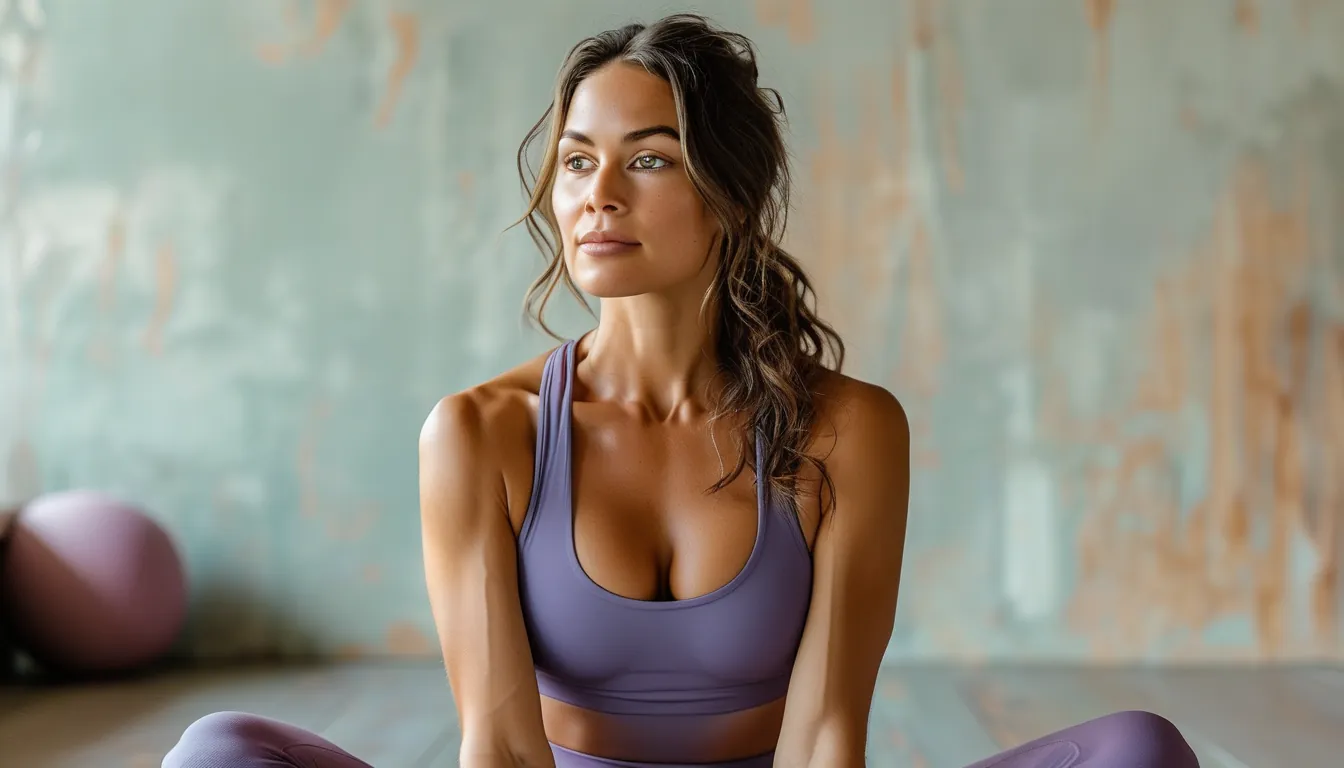
Yoga for People Who Genuinely Can't Sit Still: A Realistic Entry Point
Quick Answer: If slow, still yoga makes you want to crawl out of your skin, you don’t have a discipline problem — you have a style mismatch. Start with vinyasa or power yoga, where breath-linked continuous movement gives restlessness somewhere to go. Keep sessions 20–30 minutes, front-load the movement, and cap it with 60–90 seconds of stillness instead of ten minutes. Building more stillness later is optional, not required.
Sixty seconds into your first yin class, the teacher says “settle in, we’ll hold this for four minutes,” and your entire nervous system files a formal complaint.
Meanwhile everyone else appears to be having a lovely time.
You are not broken. You are in the wrong room.
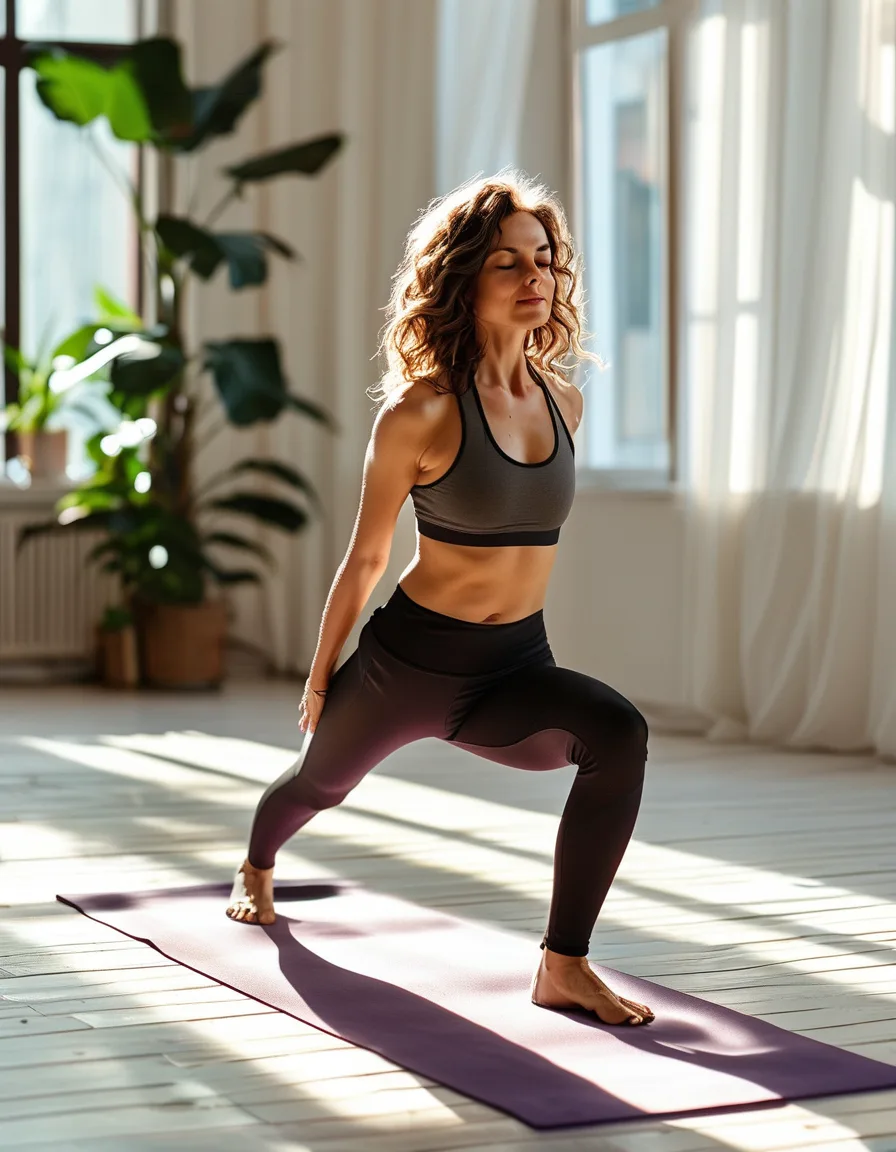
Why Is Sitting Still So Hard for Some People?
Because baseline restlessness is a real individual difference, not a measure of how spiritually advanced you are.
Energy baselines genuinely vary. A practice built around long holds asks dramatically more of a naturally high-energy person than a naturally calm one. Same class, wildly different cost. Treating that as equal accessibility is where the marketing gets it wrong.
Forced stillness can increase agitation instead of reducing it. This is the counterintuitive part. For some temperaments, physically restricting movement doesn’t drain restlessness — it pressurizes it. You come out of a still practice more wound up than you went in.
A racing mind in a still body has nowhere to go. Movement is a genuine release valve. Remove it and mental restlessness doesn’t evaporate; it gets louder. Anyone who’s tried to fall asleep after a stressful day already knows this.
And then it gets misread as personal failure. The framing you absorb is that struggling with stillness means you’re bad at relaxing, undisciplined, not present enough. It’s a style mismatch. Those aren’t the same thing, and one of them is fixable in a single class.
What Kind of Yoga Should I Try If I Hate Slow Yoga?
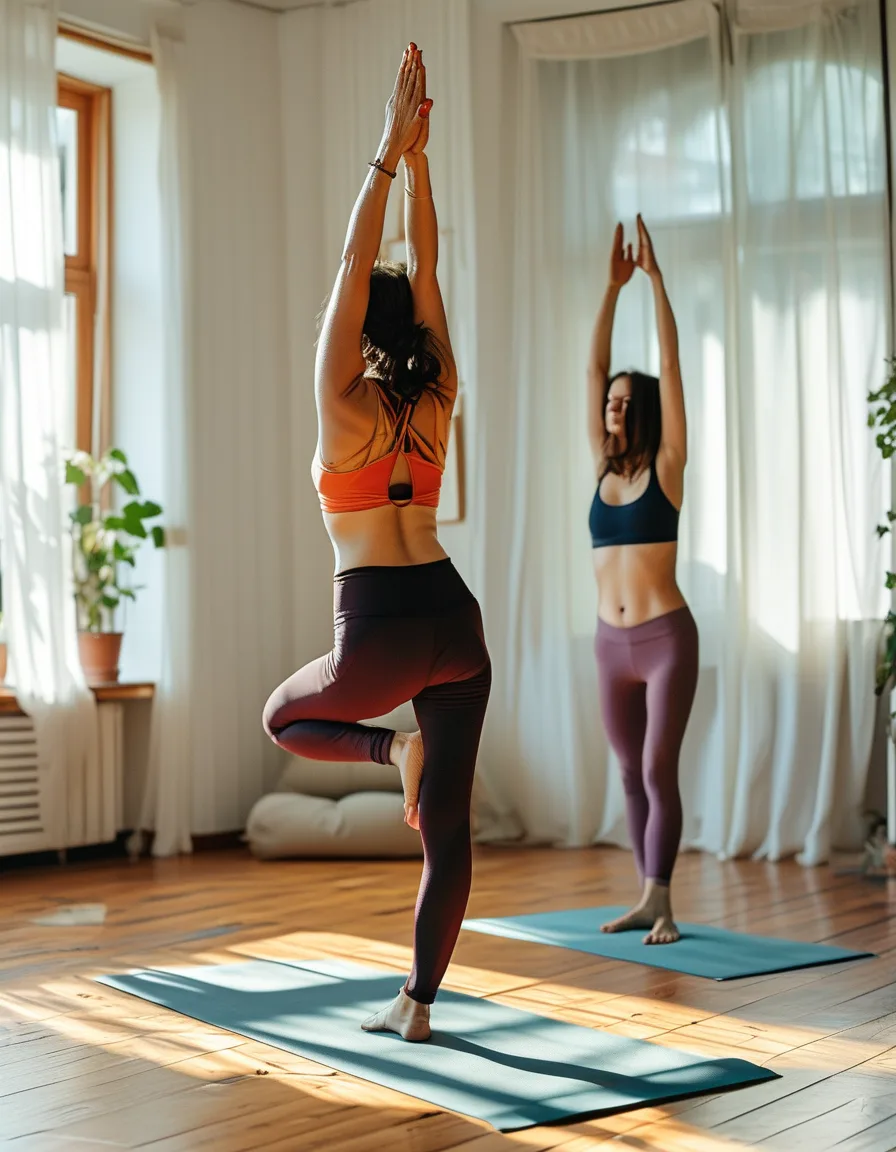
Vinyasa (flow). The default answer. Every movement links to a breath, and you’re rarely in one shape for more than a few seconds. Your body gets a continuous task, which is exactly what restlessness wants. Look for classes labeled “flow,” “vinyasa,” or “slow flow” if you want it gentler without the long holds.
Power yoga. For genuinely high-energy people, this is often the one that clicks. It’s physically demanding enough to actually match your baseline instead of asking you to suppress it. You’ll sweat. That’s the point.
Short sessions, movement-forward. Structure matters as much as style. A 25-minute practice that’s 23 minutes of movement and 90 seconds of stillness at the end is far more sustainable than a 60-minute one that opens with five minutes of seated breathing. Put the stillness at the end where it functions as a reward, not the gate you have to pass through first.
Sun salutations. A repeating, rhythmic sequence — 12 positions, cycling. This is moving meditation in the most literal sense: enough structure to occupy your mind, enough movement to occupy your body. Five to ten rounds is a complete practice on a day when nothing else appeals.
A small practical thing that matters more than it should: continuous flow means constant forward folds and downward dogs. A waistband that rolls or a top that slides over your head every third pose will absolutely wreck your focus. Squat-proof high waist yoga pants with a wide, stay-put band remove a distraction you’d otherwise fight for the whole session.
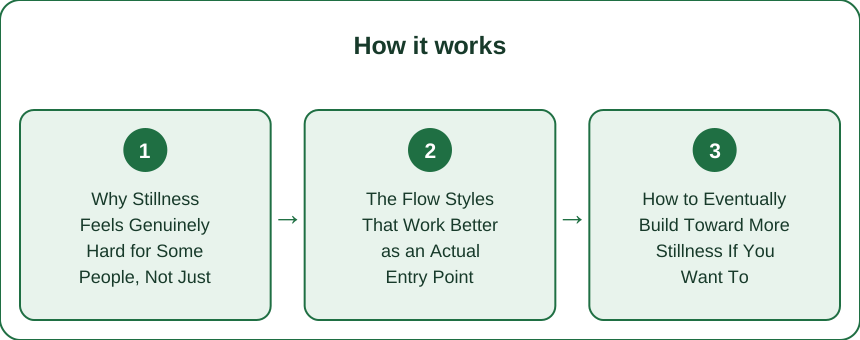
What Nobody Tells You About “Building Up To” Stillness
Stillness tolerance is a trainable skill, not a prerequisite. You don’t have to be good at it to start. It can be a later goal, or never a goal at all.
If you do want it, add 30 seconds at a time. Not five minutes. Thirty seconds, tacked onto the end of a flow you already enjoy, held for a couple of weeks before you add another thirty. The increments should be small enough that you barely notice — that’s the whole mechanism. Jumping straight into a still practice just re-triggers the original aversion and teaches you that you were right to avoid it.
You are allowed to never do this. Flow-based yoga is a complete practice. It builds strength, mobility, breath control, and body awareness. It is not the kiddie pool you’re supposed to graduate from. If vinyasa twice a week for the next decade meets your needs, you have not skipped a step — there was no step.
The version of this that goes badly is the person who forces themselves into yin for six months, hates every session, and concludes that yoga isn’t for them. They’d have been a happy flow practitioner for years if someone had just told them the styles are different.
Mini FAQ
Is flow yoga “real” yoga if I’m skipping the meditative part?
Yes. Breath-linked movement is the meditative part in vinyasa — the attention goes to coordinating breath and motion rather than to holding a shape. Different mechanism, same function.
How long until it stops feeling like exercise and starts feeling calming?
Most people notice the shift somewhere around week 3 to 6 of practicing twice a week. It tends to arrive as a change in how you feel afterward rather than during — you finish a class and realize your baseline dropped a notch.
What if even flow yoga feels like too much sitting still?
Try the most athletic version you can find, or start with a 15-minute session rather than a 60-minute one. If restlessness is severe enough to interfere with work, sleep, or daily function well beyond yoga classes, that’s worth raising with a doctor or therapist — persistent restlessness can have causes that no style adjustment addresses.
TL;DR:
- Struggling with still yoga is a temperament-style mismatch, not a discipline failure.
- Forced stillness can amplify restlessness rather than settle it, for a real subset of people.
- Start with vinyasa, power yoga, or sun salutations — continuous breath-linked movement.
- Structure sessions as 20–30 minutes, movement first, 60–90 seconds of stillness at the end.
- Building toward longer stillness is optional; add 30 seconds at a time if you want it, or don’t.
See It in Motion
Seen here: High Waist Printed Bootcut Yoga Pants with Pockets — shop it on bubblelime.com
Keep Reading
This article is for general informational purposes only and is not medical advice. It is not a substitute for professional diagnosis or treatment. Always consult a qualified healthcare provider about your individual situation, especially before making significant changes to your diet or exercise routine.