A Yoga Flow for People Who Get Bored By Slow, Meditative Classes
Quick Answer: A vinyasa-style flow that links each movement to a breath (rather than holding static poses for minutes) delivers the flexibility and strength benefits of yoga at a pace that feels more like movement than meditation — usually a better fit for people who find slow, held poses restless-making rather than calming.
You’ve tried yoga, found the long holds and quiet music more agitating than relaxing, and assumed yoga just wasn’t for you. The issue is usually pace and style, not yoga itself.
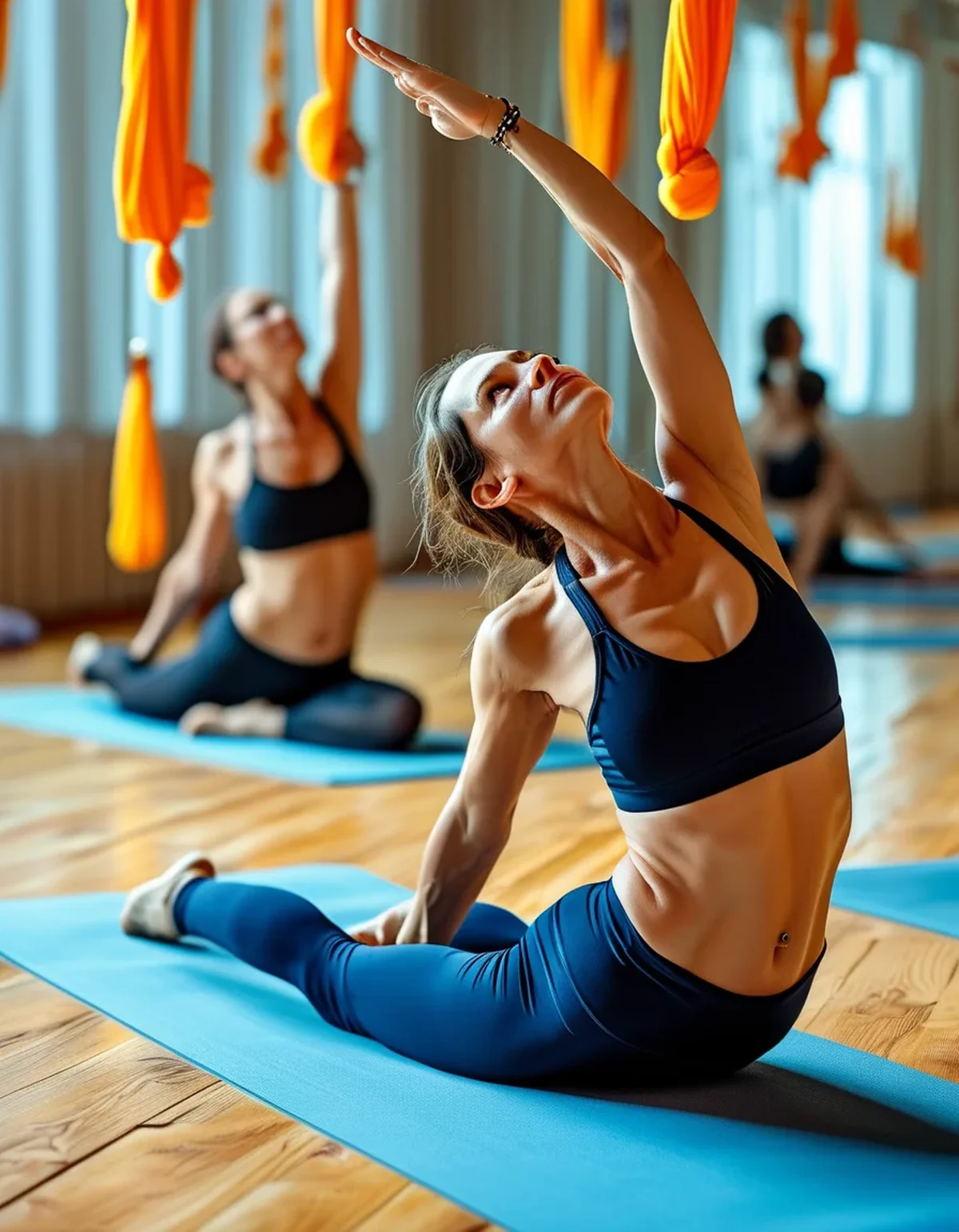
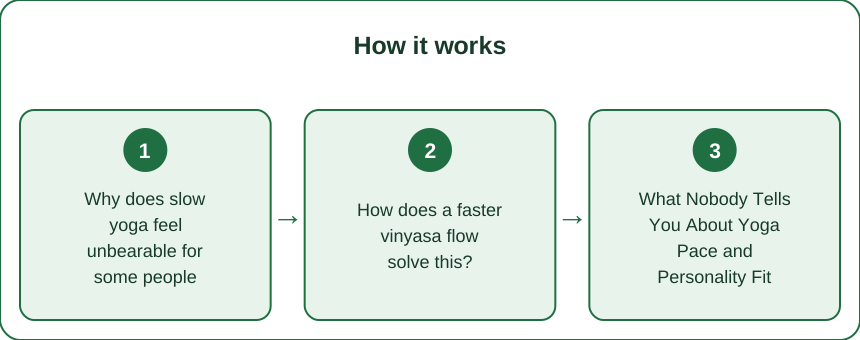
Why does slow yoga feel unbearable for some people specifically?
For people who process restlessness through movement rather than stillness, holding a pose for 60+ seconds with quiet breathing cues can feel like forced stillness rather than relief — this is a legitimate difference in how nervous systems respond to stimulation, not a character flaw or lack of discipline.
How does a faster vinyasa flow solve this?
Movement synced to breath (one breath, one movement transition) keeps you physically engaged continuously rather than settling into extended holds. This style still builds strength, mobility, and body awareness — it’s just delivered through continuous motion instead of stillness, which suits a more restless nervous system better.
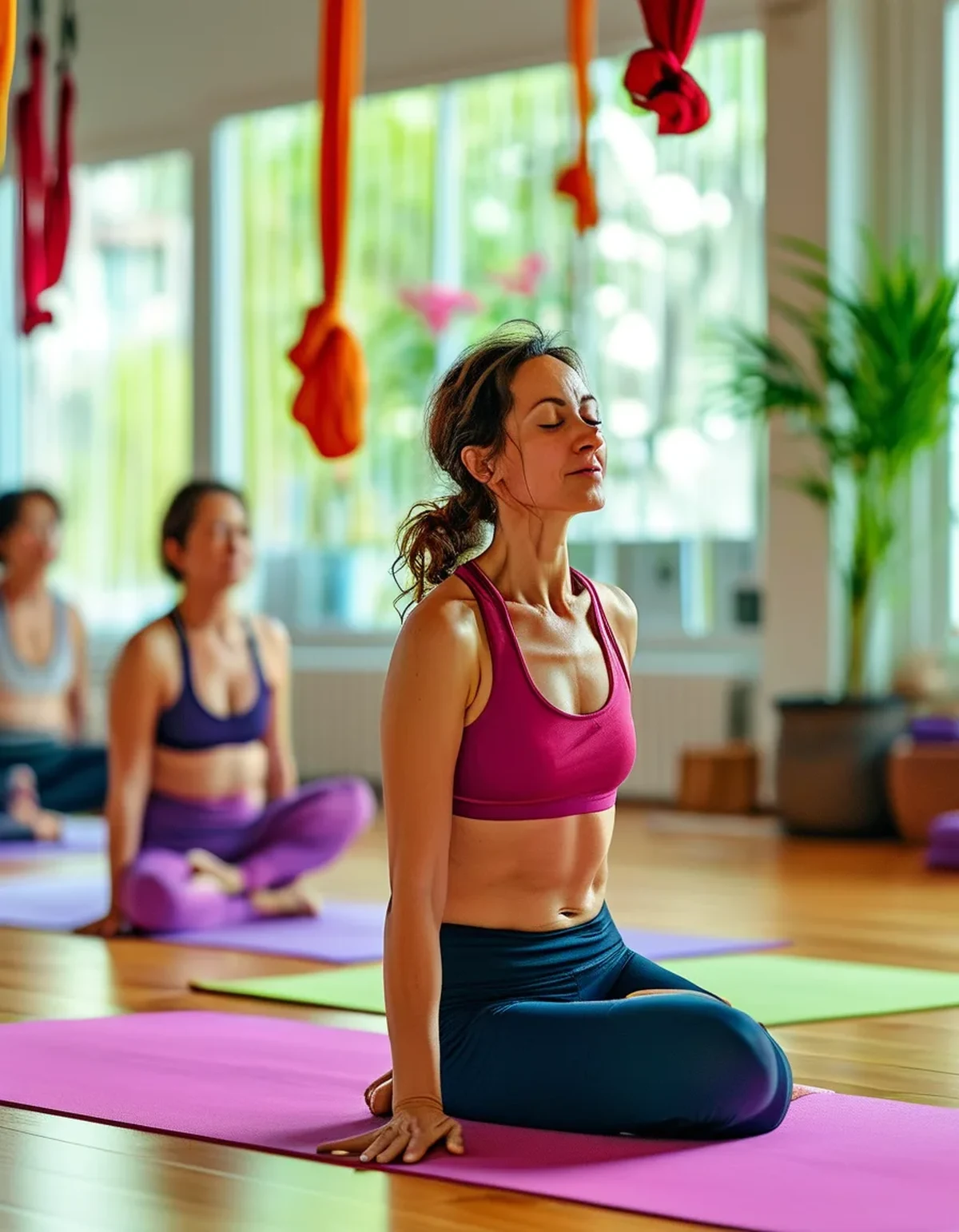
What Nobody Tells You About Yoga Pace and Personality Fit
Different yoga styles genuinely suit different nervous systems, and this isn’t well-communicated to beginners, who often try one slow class, dislike it, and assume the entire practice isn’t for them. Power yoga, vinyasa flow, and even yoga-based HIIT hybrids exist specifically because “yoga” isn’t one uniform pace or intensity.
How do you actually build a faster flow at home?
Sequence sun salutations back to back (3-5 rounds) as your base, since this format is inherently movement-continuous rather than hold-based. Add standing balance transitions (warrior to triangle to warrior on the other side) which keep momentum going rather than settling into a single held pose for an extended period.
FAQ: Fast-Paced Yoga Questions, Answered
Does a faster flow still count as “real” yoga?
Yes — vinyasa and power yoga are established, legitimate yoga styles; pace doesn’t determine authenticity.
Will I still get flexibility benefits from a faster practice?
Yes, though very deep stretches typically benefit from some held time — a hybrid approach (mostly flow, a few 20-30 second holds) balances both needs well.
Should I try a slower class again after getting comfortable with flow yoga?
Optional, not necessary — plenty of practitioners stay with faster-paced styles permanently and get the full range of yoga’s benefits without ever preferring slow holds.
TL;DR:
- Slow, held-pose yoga isn’t a fit for every nervous system — that’s a style mismatch, not a personal failing
- Vinyasa-style, breath-synced movement delivers the same core benefits at a more engaging pace
- Back-to-back sun salutations and standing transitions build a naturally faster home flow
- Faster-paced yoga is just as legitimate as slower, meditative styles
See It in Motion
Seen here: High Waist Yoga Leggings with Side Pockets — shop it on bubblelime.com
Keep Reading
This article is for general informational purposes only and is not medical advice. It is not a substitute for professional diagnosis or treatment. Always consult a qualified healthcare provider about your individual situation, especially before making significant changes to your diet or exercise routine.