Morning Yoga vs Evening Yoga: Why the Same Flow Feels Completely Different
Quick Answer: The same yoga flow feels different in the morning versus evening mainly because of body temperature, cortisol levels, and muscle stiffness — mornings favor gentler, slower movement due to natural stiffness, while evenings allow deeper stretches since muscles are already warmed from the day’s activity.
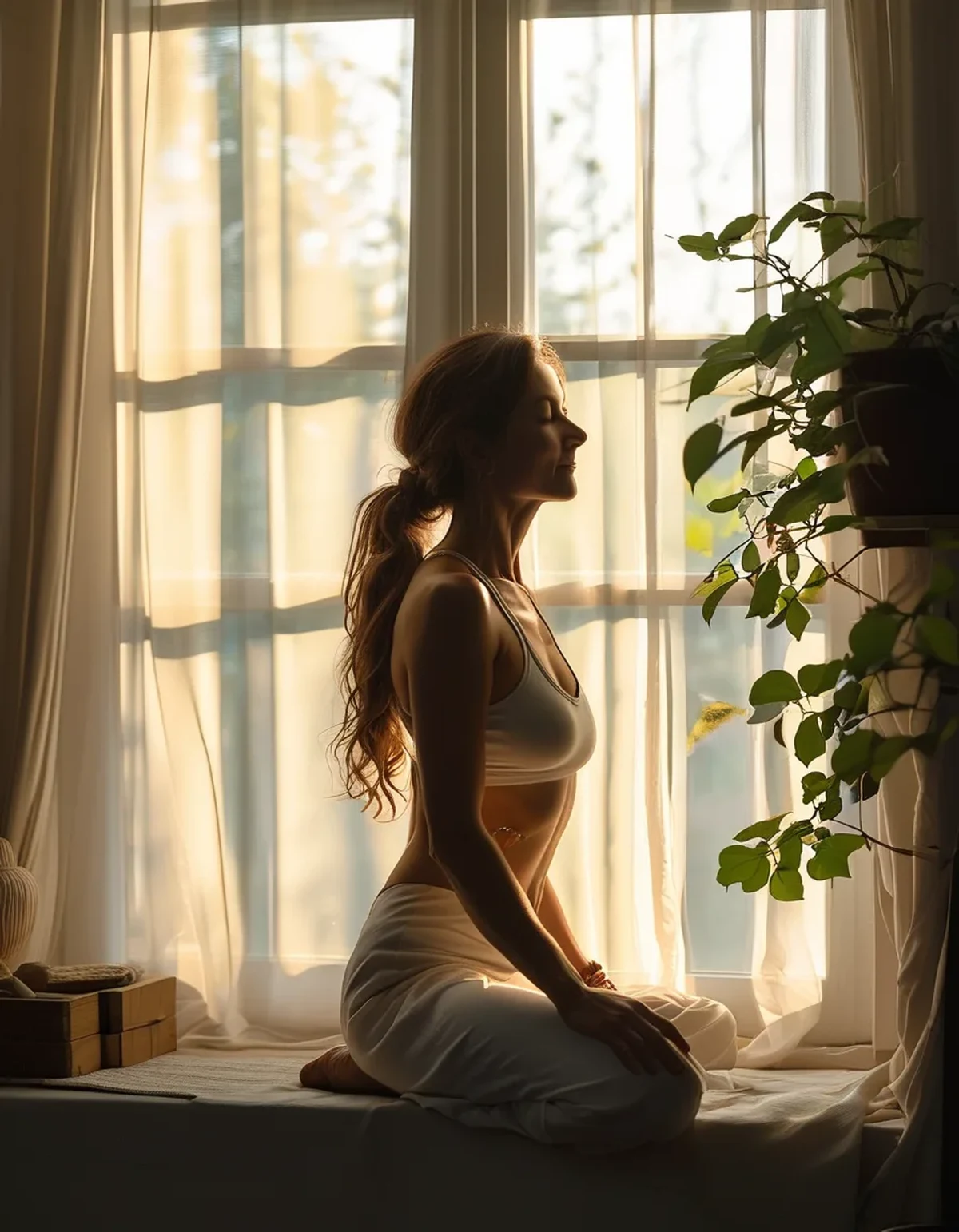
It’s easy to assume a sequence is a sequence regardless of clock time, but your body shows up to a 7am flow in a genuinely different state than it does to a 9pm one — and adjusting expectations for that difference makes both sessions work better.
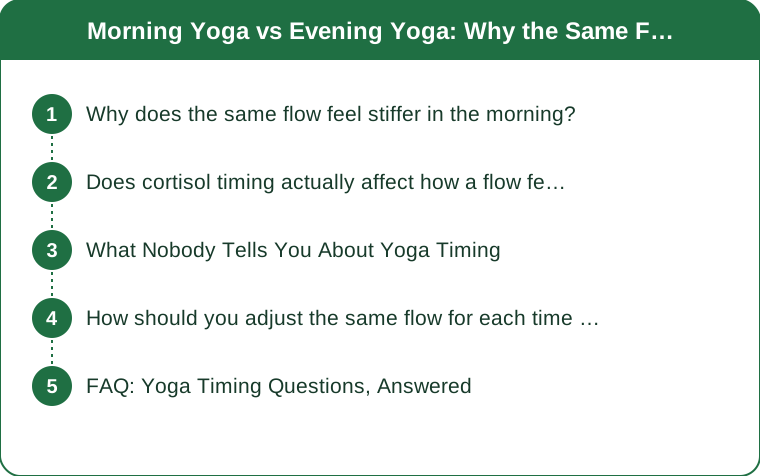
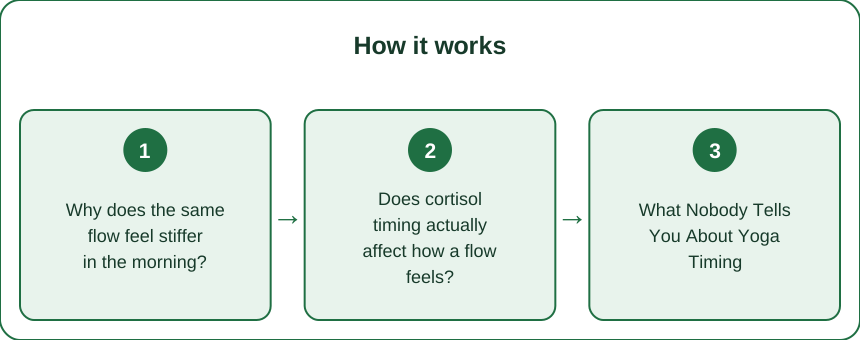
Why does the same flow feel stiffer in the morning?
Overnight, connective tissue loses some fluid and muscles cool down, which is why the same forward fold or hip opener can feel noticeably tighter first thing than it does later in the day.
This isn’t a sign anything’s wrong — it typically resolves within the first 10 minutes of gentle movement, which is why morning flows benefit from a slower warm-up phase than evening ones need.
Does cortisol timing actually affect how a flow feels?
Yes — cortisol naturally peaks shortly after waking, which can make the body feel more alert but also slightly tighter and more guarded, while cortisol is lower in the evening, often allowing deeper release into stretches.
This is part of why the same pose can feel like an edge in the morning and a comfortable depth at night.
What Nobody Tells You About Yoga Timing
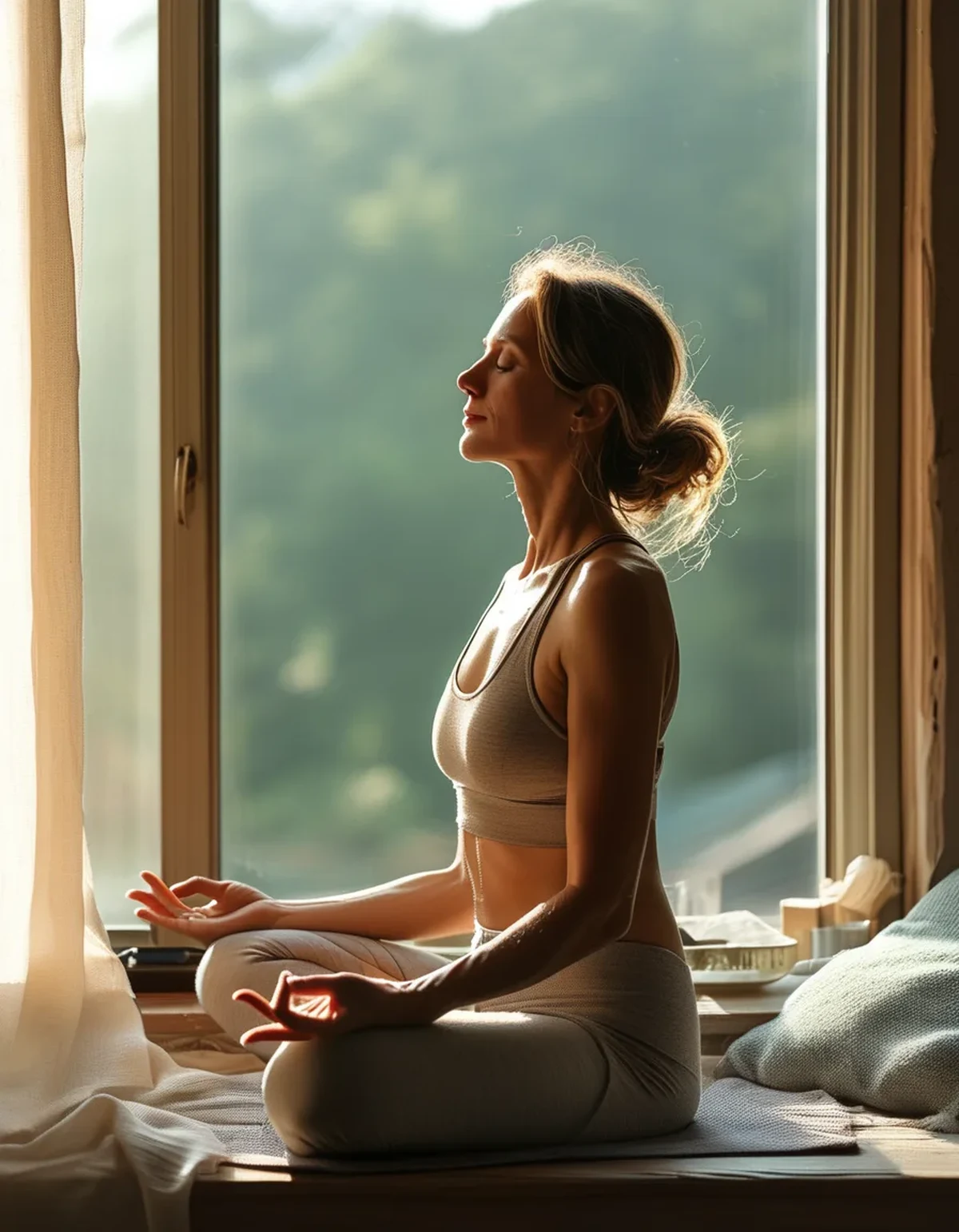
Most yoga guides treat ‘morning yoga’ and ‘evening yoga’ as separate categories with separate sequences, but the honest truth is the same sequence works for both — what changes is pacing and expectation, not the poses themselves.
A flow that spends more time on gentle warm-up transitions works well in the morning; the same flow with longer holds in the deeper poses works well at night. You don’t need two different routines, just two different approaches to the same one.
How should you adjust the same flow for each time of day?
Morning: spend an extra 3-5 minutes on gentle joint circles and cat-cow before attempting deeper stretches, and don’t expect the same depth as evening in poses like forward folds.
Evening: you can move into deeper holds sooner since the body is already warm from the day, and slower, longer holds in the final minutes support the wind-down purpose most evening practice serves.
FAQ: Yoga Timing Questions, Answered
Is morning or evening yoga better for flexibility gains?
Evening sessions often allow deeper stretches due to a warmer, less stiff body, but consistency matters more than time of day for actual long-term flexibility change.
Why does my body feel so much stiffer in a morning flow than an evening one?
Overnight fluid loss in connective tissue and lower body temperature are the main reasons — it’s normal and resolves within the first several minutes of gentle movement.
Can I do the exact same yoga sequence morning and night?
Yes — the pose sequence can stay identical; adjust pacing and depth expectations rather than needing two separate routines.
TL;DR:
- Morning stiffness comes from overnight fluid loss and cooler muscles, not anything wrong
- Cortisol peaks in the morning and dips at night, changing how deep a stretch feels
- The same flow works for both times — adjust warm-up time and depth expectations, not the poses
- Evenings naturally allow deeper holds since the body is already warmed from the day
One sequence, two moods — the flow doesn’t need to change, just your expectations for what it should feel like.
See It in Motion
Seen here: High Waist Bootcut Yoga Pants with Pockets — shop it on bubblelime.com
Keep Reading
This article is for general informational purposes only and is not medical advice. It is not a substitute for professional diagnosis or treatment. Always consult a qualified healthcare provider about your individual situation, especially before making significant changes to your diet or exercise routine.