Does Yoga Mat Thickness Actually Matter, or Is It Mostly Marketing?
Quick Answer: Thicker mats (6mm+) genuinely improve comfort for knee- and joint-sensitive poses but can meaningfully reduce balance stability in standing poses, while thinner mats (3-4mm) offer better ground connection and stability for balance-heavy practices like vinyasa but can be uncomfortable for floor-based or restorative work — meaning the ‘right’ thickness depends specifically on your practice style and any joint sensitivity, not on a single universally best option.
The standard 4-5mm mat most studios use is a compromise, not necessarily the objectively correct choice for every practitioner.
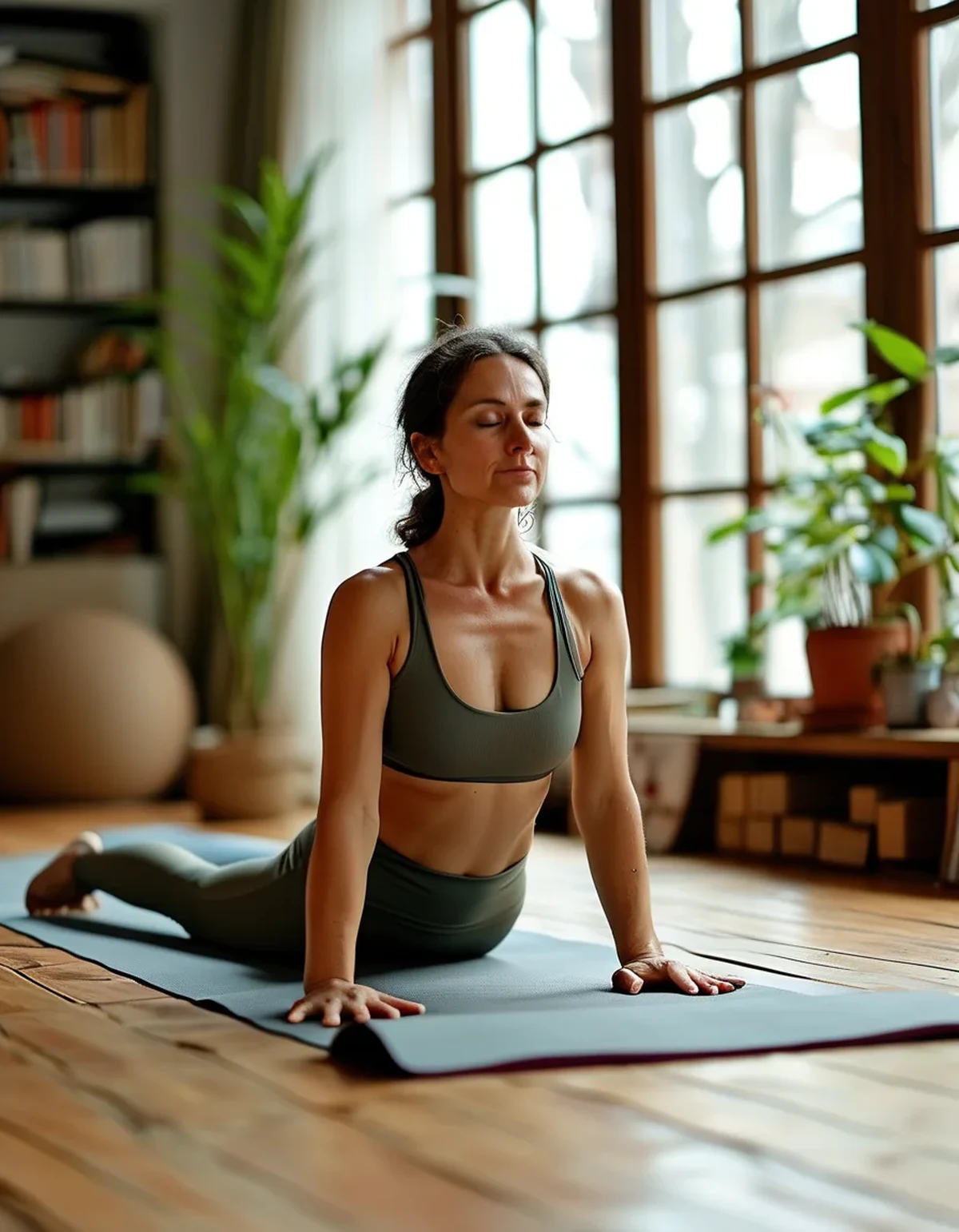
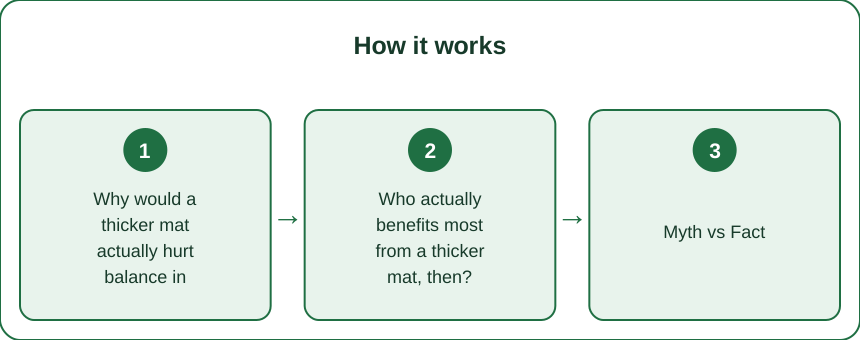
Why would a thicker mat actually hurt balance in standing poses?
A thicker, softer mat surface compresses unevenly under foot pressure, making it harder to feel a stable, precise connection to the ground — this proprioceptive feedback (sensing exactly how your foot is positioned and weighted) is more important in balance poses than most people realize, and a very cushioned surface can meaningfully reduce that feedback.
This is why many balance-focused or vinyasa-style practitioners actually prefer thinner mats despite the reduced cushioning, since stability during standing sequences matters more to their specific practice than joint cushioning does.
Who actually benefits most from a thicker mat, then?
People with sensitive knees, wrists, or a restorative/yin-style practice that involves extended time in floor-based positions benefit the most from a thicker mat (6mm or more), since the additional cushioning meaningfully reduces joint pressure during kneeling, tabletop, or extended seated positions.
This tradeoff means the ideal thickness genuinely depends on practice style — someone doing mostly standing, balance-focused vinyasa is optimizing for a different priority than someone doing mostly floor-based restorative yoga.
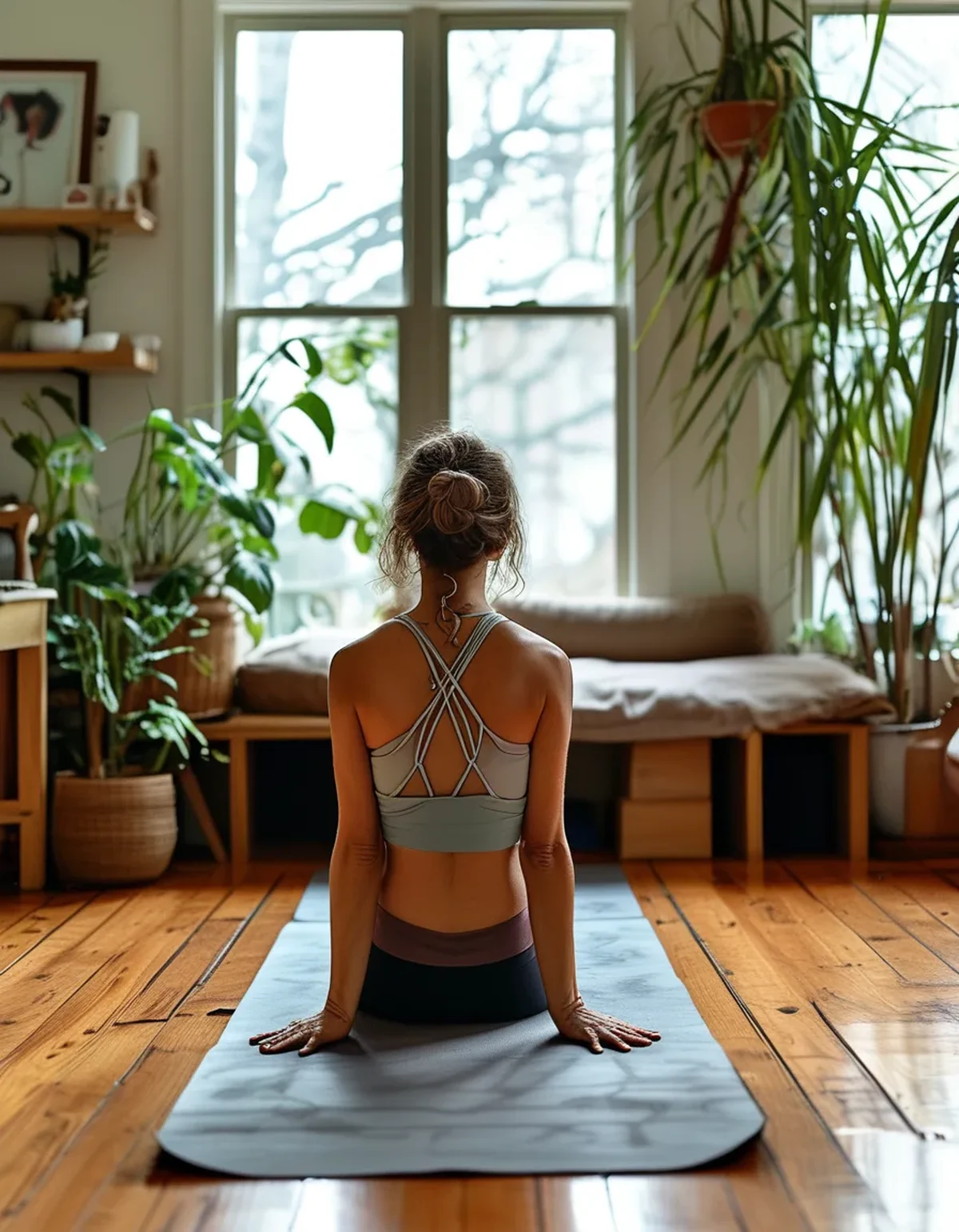
Myth vs Fact: Yoga Mat Thickness
Myth: A thicker mat is always more comfortable and therefore always better. Fact: Thicker mats can reduce stability in balance poses, making them less ideal for standing-pose-heavy practices.
Myth: Mat thickness doesn’t matter much once you’re experienced. Fact: Even experienced practitioners with knee or wrist sensitivity notice a real difference from appropriate mat thickness.
Myth: The thinnest ‘travel’ mats are just a worse version of a standard mat. Fact: Thin travel mats can actually improve ground connection for stability-focused practice, beyond just being lighter and more portable.
Is there a middle-ground option for people who do a mix of both standing and floor-based yoga?
A standard 4-5mm mat is genuinely the reasonable middle-ground compromise for a mixed practice, which is part of why it remains the most common default thickness sold and used in studios — it doesn’t optimize perfectly for either balance or joint cushioning, but it avoids the more significant downsides of either extreme.
Some practitioners also use a separate thin mat layered under the knees specifically during kneeling poses within an otherwise thinner, balance-friendly mat setup, getting a bit of both without fully committing to one thickness.
FAQ: Yoga Mat Thickness Questions, Answered
Does mat thickness affect durability over time?
Thicker mats sometimes show compression wear (permanent flattening in high-pressure areas) faster than firmer, thinner mats, though this varies significantly by material quality.
Is there a recommended thickness specifically for hot yoga?
Thickness matters less than grip and moisture-wicking surface texture for hot yoga; a standard 4-5mm mat with a sweat-grip surface is generally more relevant than thickness alone.
Do thicker mats work fine on hardwood floors versus carpet?
Yes, thickness preference is largely independent of floor type, though a thinner mat on a hard floor will transmit more floor firmness through to joints during floor poses.
TL;DR:
- Thicker mats improve joint comfort for floor-based poses but can reduce standing-pose balance stability
- Thinner mats offer better ground connection, which balance-focused practices like vinyasa often benefit from
- The standard 4-5mm mat is a genuine middle-ground compromise for a mixed practice style
- The ‘right’ thickness depends on your specific practice style and any joint sensitivity, not a universal standard
Mat thickness isn’t just marketing — it’s a real tradeoff, and the right choice depends on what your practice actually demands.
See It in Motion
Seen here: High Waist Yoga Leggings with Side Pockets — shop it on bubblelime.com
Keep Reading
This article is for general informational purposes only and is not medical advice. It is not a substitute for professional diagnosis or treatment. Always consult a qualified healthcare provider about your individual situation, especially before making significant changes to your diet or exercise routine.