The One Prop That Changes More About a Yoga Flow Than Any Pose Adjustment
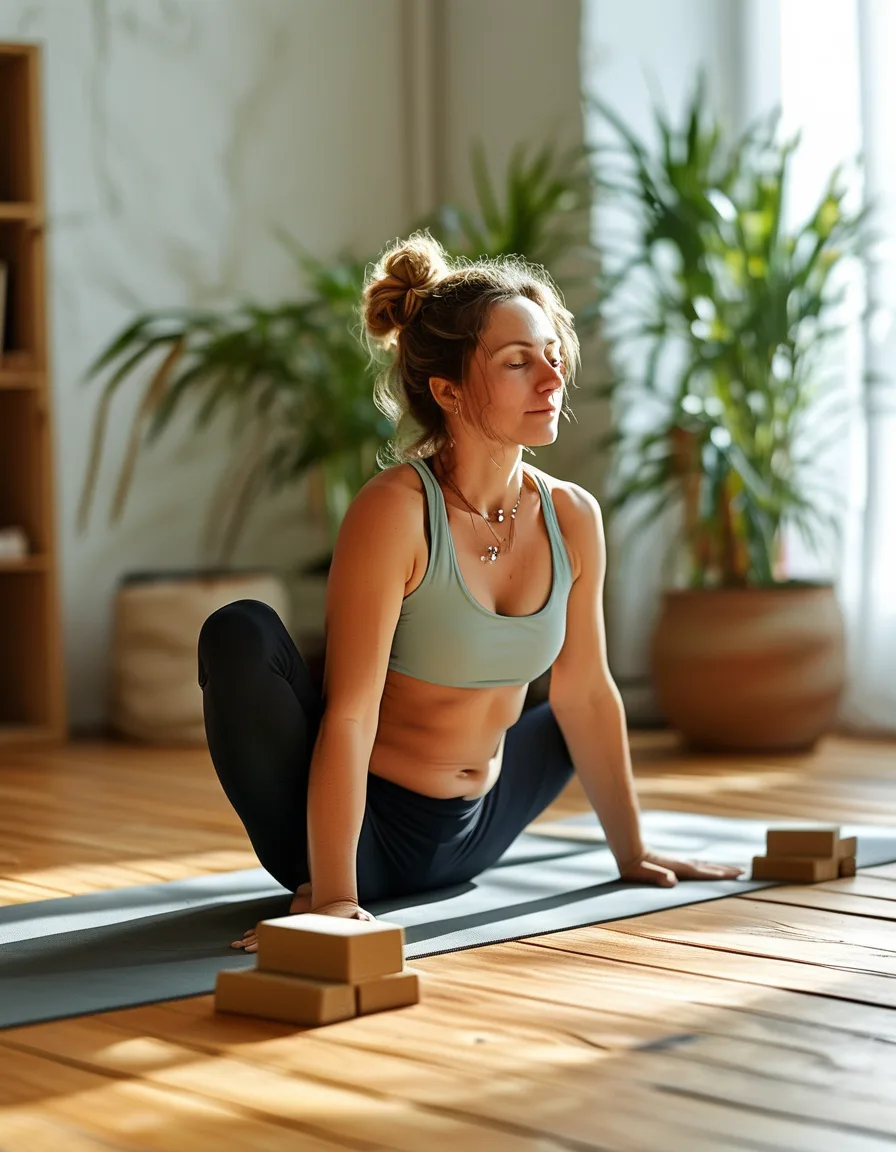
Verbal cues about alignment only go so far when the body physically can’t reach the floor without compensating somewhere else, and that’s exactly the gap a block closes. Here’s why this one prop changes more about a flow’s actual alignment than any amount of pose correction, and the specific way to use it so it builds range instead of substituting for it.
Why Cueing Alone Can’t Fix a Reach-the-Floor Problem
The real limit: the the-verbal-alignment-cues-cant-override-a-genuine-flexibility-gap-between-hand-and-floor (the instructions to keep the spine long or the hips square becoming physically impossible to follow once tight hamstrings or hips force a real gap between hand and floor, no matter how clearly the cue is given — the the-cueing-assumes-a-range-that-a-tight-body-simply-doesnt-have-yet), and the reframe (the compensation showing up as rounded shoulders or arched backs being a range problem, not a listening or effort problem).
How a Block Closes That Gap Without Faking the Pose
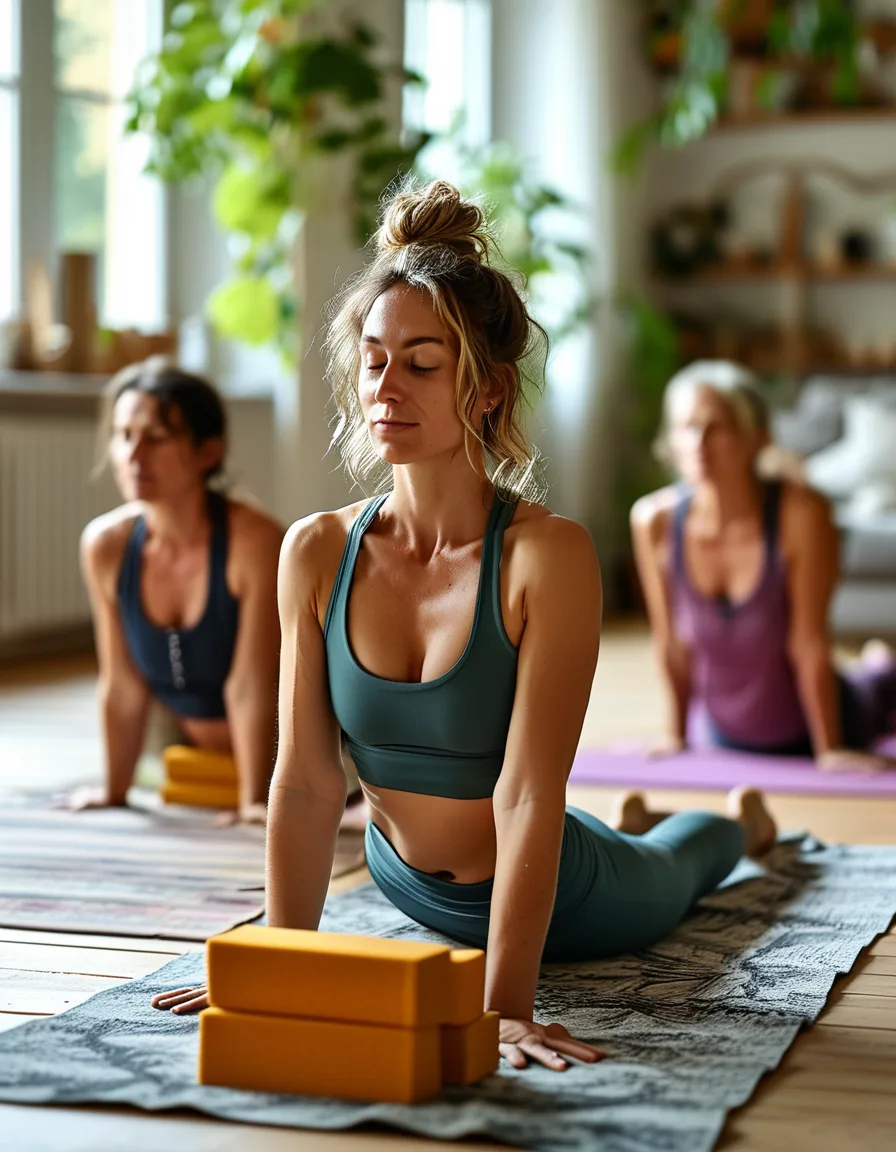
The mechanism: the the-a-block-brings-the-floor-up-to-meet-the-actual-available-range-instead-of-forcing-the-body-to-reach-past-it (the block physically shortening the distance a hand needs to travel, letting the spine and hips hold their intended alignment at whatever range is currently available rather than compensating to reach an unavailable floor — the raising-the-floor-with-a-block-preserves-correct-alignment-at-the-bodys-actual-current-range), and the frame (the pose becoming genuinely correct at a shorter range rather than staying incorrect at a longer one).
Using It as a Bridge, Not a Permanent Crutch
The practical method: the the-lowering-the-block-height-gradually-as-range-improves-turns-it-into-a-progress-marker (the periodically testing a lower block height every few weeks as hip and hamstring flexibility improves, using the prop’s height as an honest, physical marker of actual progress rather than leaving it at the same setting indefinitely — the gradually-lowering-block-height-over-weeks-turns-the-prop-into-a-progress-tracker-not-a-permanent-fixture), and the frame (a block used this way building toward eventually not needing it, rather than quietly becoming a permanent substitute for range)).
Verbal cues about spinal length or squared hips can’t override a real flexibility gap between a hand and the floor, which is why that gap shows up as rounded shoulders or a compensating arch no matter how clear the instruction is. A block closes that gap by bringing the floor up to the body’s actual current range, letting the pose hold correct alignment honestly rather than faking it at a range the body doesn’t have yet — and gradually lowering the block’s height over the weeks as flexibility improves turns the prop into a genuine progress marker instead of a permanent fixture.
See It in Motion
Seen here: Crewneck Short Sleeve Workout T-Shirt — shop it on bubblelime.com
Keep Reading
This article is for general informational purposes only and is not medical advice. It is not a substitute for professional diagnosis or treatment. Always consult a qualified healthcare provider about your individual situation, especially before making significant changes to your diet or exercise routine.